
Tunnel construction is a complex and high-stakes process. Selecting the right tunnel lining is crucial not only for ensuring structural stability but also for minimizing operational risks and long-term maintenance costs. Whether you are working on a metro, railway, highway, or mining tunnel, understanding the requirements for tunnel linings can save time, reduce costs, and most importantly, ensure safety.
Choosing the right tunnel lining for metro, railway, and highway projects is a critical decision in tunnel design, as it directly impacts safety, durability, constructability, and cost. The selection process involves balancing numerous technical and non-technical factors, primarily driven by the ground conditions and the tunnel's function.
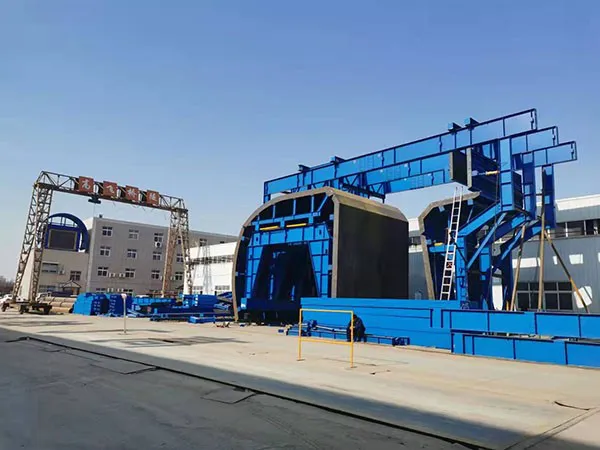
A tunnel lining acts as the main structural layer that supports surrounding ground pressure, controls deformation, and ensures durability. Incorrect lining selection may result in:
Unexpected cracking or structural failure
Excessive settlement or ground subsidence
Higher maintenance and repair costs
Delays or complete suspension of construction
Serious safety hazards for workers and end-users
In extreme cases, poor lining design can compromise the entire tunnel’s operational safety. This is why tunnel lining selection must be based on geological conditions, load requirements, and long-term durability.
Key Factors to Consider in Tunnel Lining Selection
The decision is complex and requires thorough geotechnical investigation. The main factors can be broadly classified:
A. Geotechnical and Hydrogeological Conditions
This is the most crucial factor, as the ground dictates the required support.
Ground Type and Strength:
Hard Rock: Often allows for thinner linings or even unlined sections where the rock has inherent self-supporting ability (arch action). Initial support may include rock bolts, mesh, and shotcrete.
Soft Ground (Clay, Sand, Silt): Requires immediate and robust support due to low inherent strength and the risk of collapse. This typically necessitates precast concrete segmental linings installed by a Tunnel Boring Machine (TBM).
Squeezing/Swelling Ground: Requires linings that can accommodate or resist high-intensity pressures and deformations.
Groundwater:
High Water Pressure/Flow: Requires a waterproof or highly water-resistant lining system, often involving a two-pass lining (initial support + final lining with a waterproofing membrane) or specialized gaskets and sealing in one-pass segmental linings.
Seismic Activity: Requires linings designed to withstand ground deformations caused by earthquakes.
...
For more detailed information on tunnel lining selection, please click to visit: https://www.gf-bridge-tunnel.com/a/blog/tunnel-lining-selection.html