
Tunnel construction is one of the most technically demanding tasks in modern infrastructure engineering. From complex geological conditions to strict safety standards and long-term durability requirements, every design decision has a lasting impact on project success.
Among these decisions, selecting the right tunnel lining system is critical. An unsuitable lining solution can lead to structural risks, water leakage, excessive maintenance costs, or even premature failure of the tunnel.
In this guide, we break down the most common types of tunnel lining systems, compare their advantages and limitations, and help you determine which tunnel lining solution best fits your project conditions.
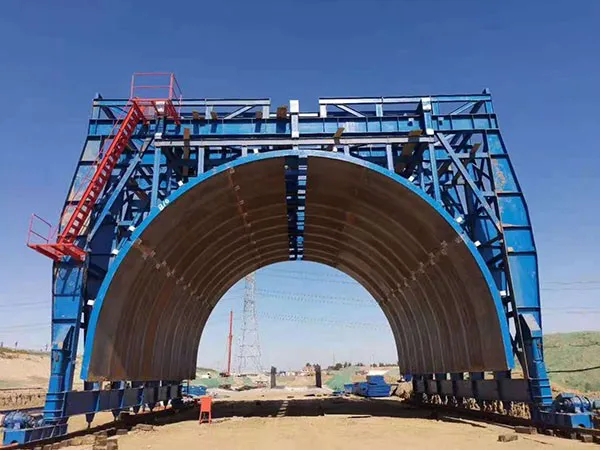
Initial support—also referred to as primary or temporary lining—is installed immediately after tunnel excavation. Its primary role is to stabilize the surrounding ground and prevent deformation or collapse during construction.
Typical materials include shotcrete, steel ribs, rock bolts, or timber frames, selected according to ground conditions.
Key advantages:
Provides immediate structural stabilization after excavation
Reduces construction-stage safety risks
Flexible application in varying geological conditions
Limitations:
Not designed for long-term structural performance
Usually requires a secondary lining for durability
Best suited for:
Soft soil, weak rock formations, and tunnels with high deformation risk.
Secondary lining is the final structural layer designed to ensure the tunnel’s long-term strength, durability, and waterproofing performance. It is typically constructed using reinforced concrete, cast-in-place concrete, or fiber-reinforced sprayed concrete.
Key advantages:
High load-bearing capacity and long service life
Excellent water tightness and structural integrity
Customizable geometry for complex tunnel designs
Limitations:
Longer construction time compared to temporary supports
Higher labor and material costs
Best suited for:
Urban tunnels, deep underground tunnels, and projects requiring high durability and waterproofing.
...
For more detailed information on tunnel lining system types, please click to visit: https://www.gf-bridge-tunnel.com/a/blog/types-of-tunnel-lining-systems.html