
Selecting the right high temperature test chamber is a critical decision for quality assurance, R&D, and production validation. The choice between a portable unit and a benchtop system often hinges on specific testing requirements, available workspace, and mobility needs. Both configurations offer reliable temperature control for thermal stress testing, but they serve distinctly different operational contexts. HEATEST Instrument provides engineering-grade solutions in both form factors, and understanding their comparative strengths ensures you invest in equipment that aligns precisely with your workflow.
Portable high temp test chambers are compact, lightweight units designed for on-site testing or situations where lab space is limited. They typically feature handles, casters, or mounting brackets, allowing technicians to move them between workstations or even to field locations. Benchtop chambers, by contrast, are stationary units intended to sit on a laboratory bench or table. They offer larger internal volumes, more robust insulation, and often wider temperature ranges. While both can achieve temperatures from ambient up to 300°C or higher (depending on model), the engineering trade-offs center on portability versus capacity.
Portable chambers use lighter materials such as aluminum or thin-gauge stainless steel to reduce weight, which may slightly limit maximum temperature uniformity. Benchtop chambers employ heavier gauge steel with thicker insulation layers, providing superior thermal stability across the entire test volume. The control electronics in benchtop units also tend to be more sophisticated, offering ramping profiles, multi-segment programming, and higher precision sensors.
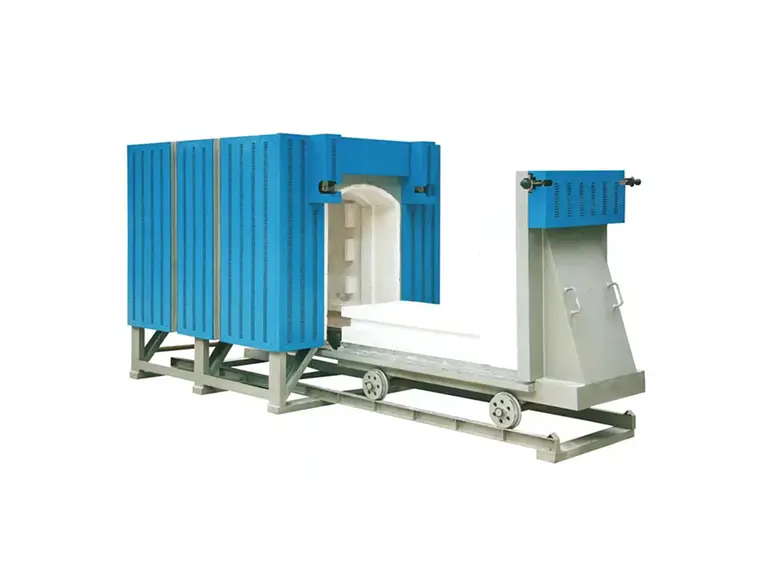
The decision matrix below outlines the primary advantages and drawbacks of each chamber type. Use this as a quick reference to match your specific testing environment.
When evaluating specifications, pay attention to temperature range, stability, and uniformity over time. Portable chambers often achieve a uniformity of ±2°C across the working volume, while benchtop models from HEATEST Instrument can maintain ±0.3°C. Ramp rates also differ: portable units may heat at 5-8°C/min, whereas benchtop systems can reach 15°C/min or higher, depending on power and insulation.
...
For more detailed information on how to choose between portable and benchtop high-temperature test chambers, please click here: https://www.lyheatest.com/tester-knowledge/high-temp-chambers/