
For metalworking facilities, loose metal shavings represent more than just waste—they are a direct drain on profitability. Every kilogram of fine chips, turnings, or borings that enters a furnace without proper preparation leads to excessive oxidation, slag formation, and material loss. The solution lies in densification: transforming loose shavings into compact briquettes using a hydraulic briquetting machine. This article examines how ZYmining's technology can reduce melting loss from 20-30% down to less than 5%, delivering measurable savings in energy, material, and handling costs.
When metal shavings are melted in their raw state, the high surface-area-to-volume ratio accelerates oxidation. Oxygen reacts with the hot metal surface, forming dross and scale that must be skimmed off and discarded. In aluminum recycling, for example, loose turnings can experience melting losses of 20-30% compared to only 2-5% for dense briquettes. Additionally, loose material traps moisture and oil residues from machining, which cause explosions and quality issues when heated. These inefficiencies increase energy consumption per usable kilogram of metal and slow down furnace throughput.
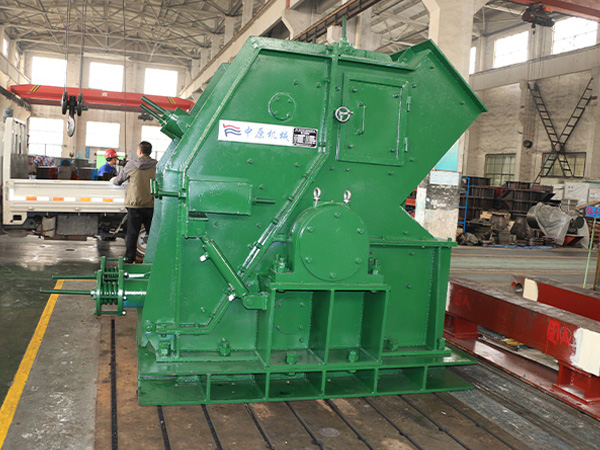
A briquetting machine compresses metal shavings under high hydraulic pressure—typically 100-200 tons—into dense, pillow-shaped briquettes with a density of 4-6 g/cm³ (for steel) or 2-3 g/cm³ (for aluminum). This compaction serves three critical functions: it expels trapped air and liquids, breaks surface oxide layers, and creates a uniform mass that melts evenly. The resulting briquettes have minimal surface area exposed to oxygen during melting, drastically reducing dross formation.
...
For more information on metal scrap recycling briquetting machines and reducing melting losses, please click to visit:https://www.zymining.com/en/a/news/metal-shavings-recycling.html