
The coal industry faces an ongoing challenge: the fine particles released during mining, handling, and transport create dust pollution that harms both human health and the environment. While traditional dust suppression methods like water sprays and chemical surfactants provide temporary relief, they often fall short in capturing the smallest respirable particles or require costly recurring applications. An industrial briquette press offers a more permanent solution by densifying coal fines into solid briquettes, simultaneously reducing airborne dust and transforming waste into a valuable fuel source. This article examines how this technology works, its advantages over conventional approaches, and why ZYmining's briquette presses stand out as a reliable choice for operations aiming to meet stricter environmental regulations while improving profitability.
Coal dust is not merely a nuisance; it poses serious risks. Respirable crystalline silica and coal dust particles below 10 microns can penetrate deep into lung tissue, leading to chronic respiratory diseases such as pneumoconiosis (black lung disease) among workers. Moreover, dust clouds reduce visibility on-site, increase the risk of explosions in confined areas, and contaminate surrounding communities. Environmental agencies worldwide are tightening permissible emission limits, making it imperative for coal processors to adopt more effective control measures. Current methods—water spraying, foam suppression, and chemical binders—each have drawbacks: high water consumption, equipment corrosion, inconsistent coverage, or the need for continuous reapplication. A robust, permanent solution must address the root cause: the presence of loose fine particles that easily become airborne.
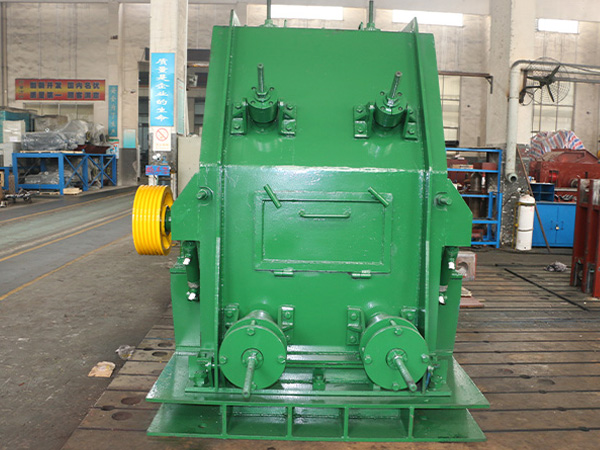
An industrial briquette press physically compresses coal fines, dust, and sometimes binders into dense, uniform briquettes under high pressure. The process typically involves feeding the material into a hopper, which then passes through a pre‑compression chamber and into roller presses where counter‑rotating rollers apply tons of force. The resulting briquettes have significantly reduced surface area and are much heavier than the loose dust, making them resistant to wind erosion and mechanical disturbance during transport and storage. Unlike temporary dust suppressants, briquetting transforms the problem material into a product that can be sold or used as fuel, eliminating the need for waste disposal while creating revenue.
...
For more information on reducing coal dust pollution using industrial coal briquette presses, please click here:https://www.zymining.com/en/a/news/coal-dust-reduction.html