
Proper maintenance of a briquetting machine is not merely an option—it is a critical investment that directly impacts production efficiency, product quality, and the total cost of ownership. Whether your operation processes biomass, metal chips, or other materials, a well-maintained press can operate reliably for years, while neglect can lead to costly breakdowns and premature replacement. This article provides a comprehensive, actionable guide to extending the service life of your briquetting equipment, drawing on proven industrial practices and insights from ZYmining’s field experience.
Every briquetting machine comprises several subsystems that work under high pressure and continuous load. Recognizing the maintenance requirements of each component is the first step toward a long lifespan.
The main shaft and bearings carry the brunt of the compaction force. Regular inspection for signs of overheating, abnormal noise, or vibration is essential. Ensure that bearings are lubricated at the intervals specified in the operator manual, and replace grease if contamination is detected. For heavy-duty applications, consider using synthetic high-temperature grease to reduce wear.
Hydraulic units power the pressurization and ram movements. Hydraulic oil quality must be checked monthly for viscosity, water content, and particulate contamination. Change the oil filter elements according to the manufacturer’s schedule (typically 500–1000 operating hours). Inspect all hoses and seals for leaks or cracks; a small leak can quickly escalate into a major pressure loss. Keep the hydraulic reservoir at the recommended level and use only approved oil grades.
Dies and rollers determine briquette density and shape. Over time they wear, especially when processing abrasive materials like coal dust or metal filings. Measure the wear profile every month using a template. When the clearance exceeds the specified tolerance (e.g., 1.5 mm), re-profile or replace the components. ZYmining recommends keeping a spare set of dies and rollers on site to minimize downtime during changeovers.
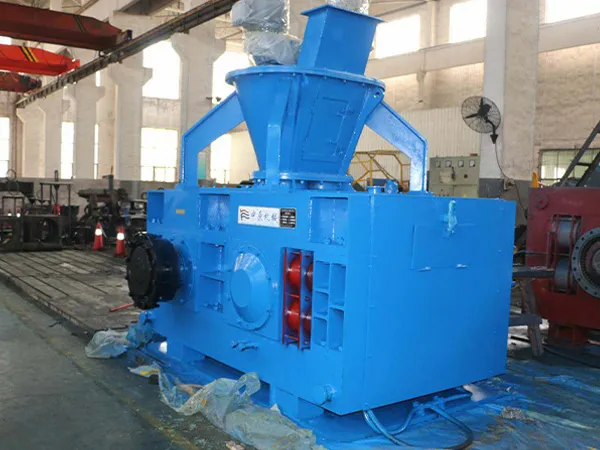
A structured daily checklist helps catch small issues before they become expensive failures.
Create a lubrication chart that lists all grease points, oil levels, and intervals. Use a data logger or simple sticker labels to track last service dates. Never mix incompatible greases—they can cause thickening and bearing failure.
Inspect cables for fraying, loose terminals, and signs of overheating. Clean control panels with compressed air to prevent dust accumulation that can affect sensors. Test emergency stop functions weekly. Verify that PLC (programmable logic controller) backup batteries are replaced every two years to avoid losing configuration data.
...
For more information on briquetting machine maintenance tips and extending equipment lifespan, please click here: https://www.zymining.com/en/a/news/briquetting-machine-maintenance.html