
In the waste processing industry, labor costs represent one of the largest and most variable operational expenses. Traditional methods of handling bulky scrap, shavings, and other waste materials require multiple workers for collection, transportation, and processing. This inefficiency not only erodes profit margins but also exposes workers to safety risks. ZYmining’s automatic briquetting system directly addresses these challenges, delivering a proven 80% reduction in labor requirements. By transforming loose waste into dense, uniform briquettes, the system eliminates manual handling steps, streamlines downstream logistics, and enables a single operator to oversee what previously demanded a full team. This article examines the technology behind this labor saving, quantifies the operational impact, and explains why forward-thinking facilities are adopting this solution.
Before evaluating any automation solution, it is essential to understand the baseline. Conventional waste processing—whether for metal turnings, plastic scrap, or biomass residues—typically involves these stages:
Each step demands dedicated labor, and bottlenecks multiply as throughput increases. A typical medium-sized facility might deploy five to eight operators per shift just for waste handling. ZYmining’s automatic briquetting system collapses these steps into a single, integrated process that runs with minimal human intervention.
The headline figure of 80% labor savings is not an abstract claim—it stems from the elimination of four discrete job functions:
When these savings are aggregated across a three-shift operation, the reduction from, say, six operators down to one becomes both realistic and verifiable.
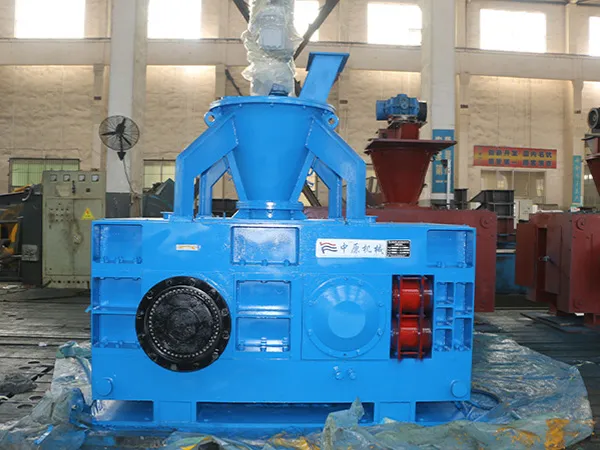
The core mechanism is straightforward but sophisticated: loose waste material is fed into a pre-compression chamber, then forced under high hydraulic pressure into a die to form a solid briquette. The entire sequence is controlled by a programmable logic controller (PLC) that adjusts cycle speed based on material flow. Key design features that directly contribute to labor savings include:
These features collectively mean that one part-time or full-time operator (depending on facility scale) can oversee the entire briquetting operation while also handling other tasks during automatic cycles.
...
For more detailed information about how automated briquetting systems can save 80% of labor costs in waste disposal, please click here: https://www.zymining.com/en/a/news/briquetting-system-saves.html