
Agricultural straw burning has long been a contentious issue worldwide, leading to severe air pollution, soil degradation, and health hazards. Governments have imposed strict bans, yet farmers struggle to find economically viable alternatives. One emerging solution that is gaining traction is the conversion of rice husk—a common byproduct of rice milling—into high-density briquettes. These briquettes can replace coal and firewood in industrial boilers, household stoves, and power plants, offering a clean, renewable energy source. In this article, we explore how rice husk briquettes can effectively address the straw burning ban, and how ZYmining’s advanced briquetting technology makes this transition both practical and profitable.
Governments across Asia, Europe, and North America have enacted strict prohibitions on open-field burning of crop residues. For example, India’s National Green Tribunal and China’s Ministry of Ecology and Environment have imposed fines and legal penalties on violators. The rationale is clear: burning releases fine particulate matter (PM2.5), carbon monoxide, and carcinogenic compounds, contributing to respiratory diseases and climate change. However, farmers face a dilemma—removing straw is costly, and traditional disposal methods like plowing back into soil can increase pest infestation. This creates a pressing need for a solution that is both environmentally sound and economically rewarding.
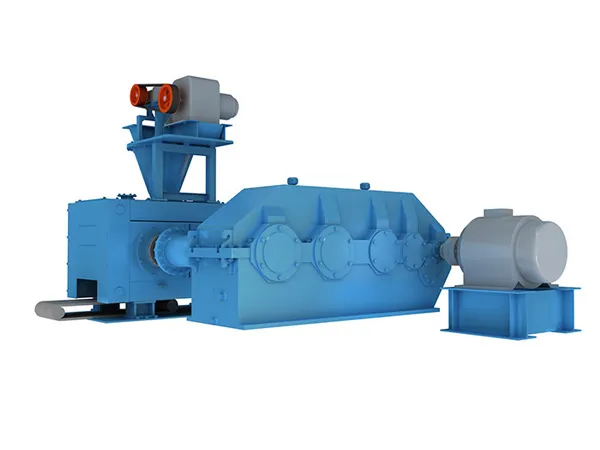
Rice husk, a fibrous byproduct representing about 20% of paddy weight, is generated in massive quantities globally. Instead of being burned or dumped, it can be compressed into briquettes with high calorific value (typically 3,500–4,200 kcal/kg). Compared to direct straw burning, rice husk briquetting offers several distinct advantages:
Briquetting rice husk significantly reduces life-cycle emissions. Studies show that replacing coal with rice husk briquettes can cut CO2 emissions by up to 90% on a net basis, because the carbon released during combustion is biogenic (part of the natural carbon cycle). Additionally, the process avoids methane emissions that would occur if husk decomposed in landfills. Advanced briquetting machines from ZYmining are designed to minimize energy consumption, further improving the eco-footprint.
Farmers can either use briquettes for their own heating needs (saving fuel costs) or sell them to industrial users. The global demand for biomass briquettes is growing, especially in cement, brick, and textile industries seeking to meet emission reduction targets. With ZYmining’s cost-effective machinery (e.g., the ZYM-500 series screw press briquetter), a small-scale production line can process 1–2 tons per hour, generating monthly profits of $5,000–$10,000 depending on local fuel prices. Government subsidies for renewable energy projects often cover up to 30% of capital investment, making the payback period as short as 8–12 months.
Successful briquetting requires three critical steps: raw material preparation, compression, and cooling. ZYmining offers complete turnkey solutions tailored for rice husk:
ZYmining’s equipment features wear-resistant alloy dies that last for 3,000–5,000 hours, reducing maintenance downtime. The company also provides remote monitoring and training to ensure optimal operation.
...
For more detailed information on solve straw burning ban: make rice husk briquettes instead, please click to visit: https://www.zymining.com/en/a/news/straw-burning-ban-solution.html