
In high-temperature metal melting operations, the graphite crucible is the unsung hero that directly impacts melt quality, energy efficiency, and production uptime. Yet even the highest-quality crucibles eventually wear out, and ignoring the early warning signs can lead to catastrophic failures, costly downtime, and compromised product integrity. Cangzhou Carbon, a trusted manufacturer with over a decade of experience in carbon and graphite products, emphasizes that proactive replacement based on observable indicators is far more cost-effective than reactive repairs. This article outlines the five unmistakable signs that your graphite crucible has reached the end of its service life and why immediate replacement is critical for your operations.
The most obvious indicator that a graphite crucible needs replacement is the presence of visible cracks, chips, or spalls on the crucible wall, rim, or bottom. Even hairline cracks can propagate rapidly under thermal cycling, allowing molten metal to seep into the crucible wall and cause leakage. When a crucible develops cracks wider than 1 mm or exhibits a network of fine fissures, it has lost its structural integrity. Continued use risks molten metal escaping into the furnace, damaging heating elements and requiring extensive cleanup. Inspect your crucible after each heating cycle—if you notice any through-wall crack or a crack that extends more than one-third of the way down the side, replace it immediately. Cangzhou Carbon recommends performing a visual inspection with a flashlight and a magnifying glass at least once per shift in continuous operations.
Normal surface oxidation appears as a powdery gray layer that can be brushed off. In contrast, structural damage shows as sharp, linear fractures with clearly separated edges. If you press gently on a suspect area and the graphite flakes or crumbles, it is a sign of advanced degradation that warrants replacement.
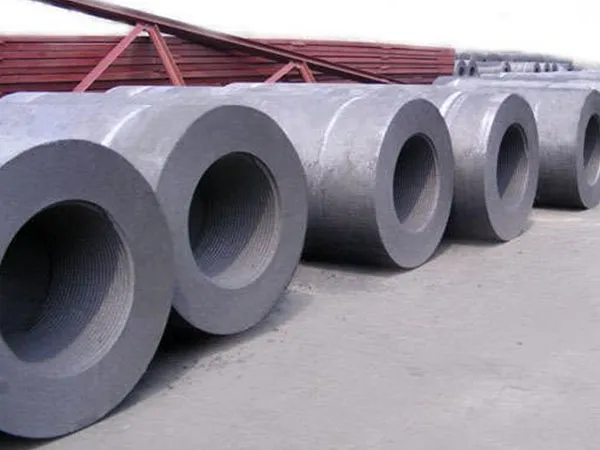
Over time, the wall thickness of a graphite crucible decreases due to erosion from slag, flux, and the abrasive action of molten metal. While a certain amount of thinning is expected, a reduction of more than 30% of the original wall thickness significantly compromises the crucible’s load-bearing capacity and heat conductivity. Measure the wall thickness at several points every 25–30 melts. If the difference between the thickest and thinnest points exceeds 2 mm, the crucible has become uneven and may warp under thermal stress. Warping often manifests as an oval shape at the top rim or a bulge near the bottom. A deformed crucible does not sit evenly in the furnace, leading to hot spots and uneven melting. At Cangzhou Carbon, our quality control team advises that any crucible showing measurable warping should be taken out of service—continuing to use it risks tipping over during handling or causing a splash of molten metal.
...
For more information on the five signs that a graphite crucible needs replacing, please click here:https://www.czgraphite.com/a/news/signs-of-graphite-crucible-replacement.html