
In modern industrial production, consistency and efficiency are not optional—they are essential for maintaining competitiveness. This is especially true in pelletizing processes, where a ball press machine serves as a core piece of equipment in industries such as metallurgy, chemical processing, coal briquetting, and feed production. These machines are responsible for transforming loose powders into dense, uniform pellets that meet strict quality and handling requirements.
However, the long-term performance of a ball press machine does not depend solely on its design. It heavily relies on the condition of its key wear components, particularly the wear-resistant roller skins. These components directly influence pellet shape, density, and production efficiency. When roller skins begin to degrade, the entire production line can suffer from reduced output, inconsistent product quality, and increased energy consumption.
For plant managers, maintenance engineers, and procurement teams, understanding how to properly select, replace, and maintain roller skins is a critical step toward minimizing downtime and maximizing return on investment.
Roller skins operate under extremely demanding conditions. During operation, two rollers rotate in opposite directions, applying immense pressure to compress raw materials into solid pellets. This continuous mechanical stress, combined with abrasive materials, leads to gradual wear.
1. Material Composition and Abrasiveness
Raw materials containing high levels of silica, metal particles, or other कठ abrasive compounds significantly accelerate surface wear. In industries such as mining or metallurgy, this factor becomes even more pronounced.
2. Operating Pressure and Load Conditions
When operators push machines beyond recommended pressure limits in an attempt to increase output, they inadvertently shorten the lifespan of roller skins. Excessive pressure causes micro-cracks, surface fatigue, and uneven wear patterns.
3. Lubrication and Maintenance Practices
Insufficient lubrication increases friction between moving components, generating excess heat and accelerating wear. Inconsistent maintenance schedules further exacerbate this problem.
4. Environmental Influences
High ambient temperatures, humidity, or corrosive gases can gradually degrade the metallurgical properties of roller skins, reducing their hardness and structural integrity over time.
As wear progresses, operators may notice declining pellet quality, irregular shapes, or increased fines. At the same time, energy consumption rises because the machine must exert more force to achieve the same output. These are clear indicators that replacement should not be delayed.
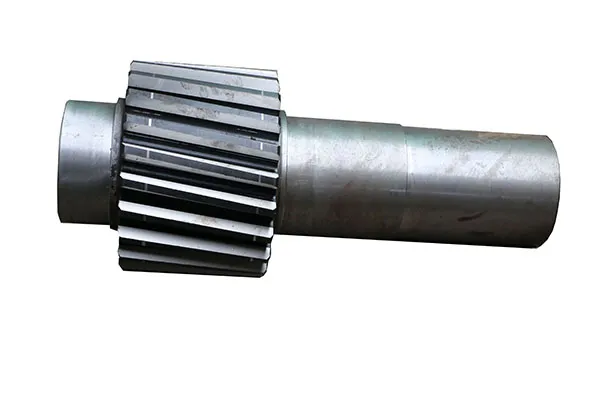
Choosing suitable roller skins is not simply a purchasing decision—it is a strategic investment in production stability. Different materials offer varying levels of hardness, toughness, and wear resistance, and selecting the wrong type can lead to frequent replacements and higher operating costs.
High Manganese Steel
This material offers excellent toughness and impact resistance, making it suitable for applications with fluctuating loads.
...
For more detailed information on the replacement guide for wear-resistant roller sleeves in ball presses, please click to visit: https://www.zymining.com/en/a/news/replacing-wear-resistant-roller-skins-in-ball-press-machines.html