
In modern coal preparation plants, screening is no longer a simple separation step—it is a critical control point that directly determines product quality, plant throughput, and overall operating costs. As coal processing systems become increasingly automated and performance-driven, operators are placing greater emphasis on equipment that delivers not only high capacity but also precision, stability, and long-term reliability.
Among the various screening technologies available today, the linear vibrating screen has proven to be one of the most efficient and adaptable solutions. Its ability to maintain consistent screening performance under varying feed conditions makes it particularly suitable for coal preparation environments, where material properties such as moisture content, particle size distribution, and ash content can fluctuate significantly.
For plant managers and engineers seeking to optimize production efficiency while controlling operational costs, understanding the real value of linear vibrating screens is essential.
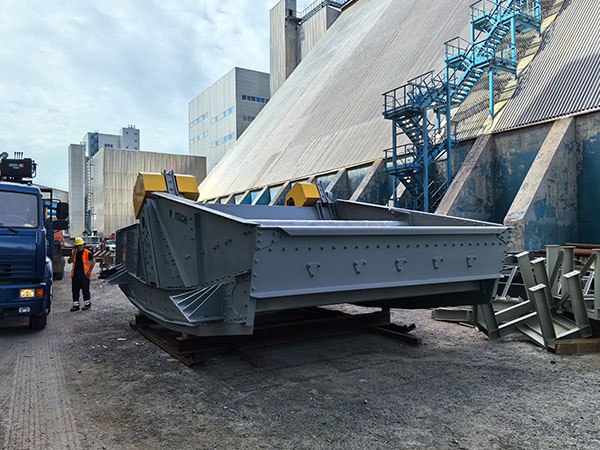
In a typical coal preparation plant, screening efficiency influences multiple downstream processes, including washing, flotation, dewatering, and material handling. Poor screening performance often leads to:
Misclassification of coal particles
Reduced separation efficiency in washing systems
Increased wear on downstream equipment
Higher energy consumption
Product quality inconsistencies
Modern plants are no longer satisfied with “acceptable” screening results. Instead, they require equipment that ensures tight particle size control, minimal material loss, and continuous operation with minimal downtime. This shift in expectations has significantly increased the importance of high-performance screening solutions.
...
For more detailed information on how linear vibrating screens can improve screening efficiency in coal preparation plants, please click to visit: https://www.hsd-industry.com/news/improving-screening-efficiency-in-coal-preparation-plants/