
Choosing the correct cold storage size is one of the most critical decisions for any food service or hospitality business experiencing growth. An undersized unit forces frequent restocking and compromises product quality, while an oversized one wastes energy and capital. This guide provides a systematic approach to evaluating your storage requirements, factoring in menu complexity, supply chain patterns, and future expansion plans. Whether you operate a bustling restaurant, a catering company, or a growing kitchenware distributor like TZY Kitchenware's clients, the principles remain the same: align cold storage capacity with operational reality. By the end, you will have a clear framework to make a confident, data-driven choice.
Before comparing equipment, you must quantify the volume of perishable goods your business handles. Start by auditing your peak inventory levels over the past three months. Include raw ingredients, prepped items, and finished goods. For a growing business, add a 20–30% buffer to accommodate seasonal fluctuations and anticipated menu or service expansion. Document storage density: for example, how many sheet pans or gastro-norm containers fit per cubic foot. This baseline ensures your chosen cold storage size does not become a bottleneck within the first year.
Consider not just how much you store but how often inventory rotates. High-throughput kitchens with daily deliveries can operate with smaller refrigerators, while businesses receiving weekly bulk shipments need larger walk-ins. Use this formula: Required capacity = (Average daily usage × Days between deliveries) × Safety factor. The safety factor (typically 1.2 to 1.5) accounts for unexpected spikes in demand or supply delays. For example, if your restaurant uses 200 lbs of meat daily and receives deliveries every 5 days, you need at least 200 × 5 × 1.3 = 1,300 lbs of cold storage capacity for that commodity alone.
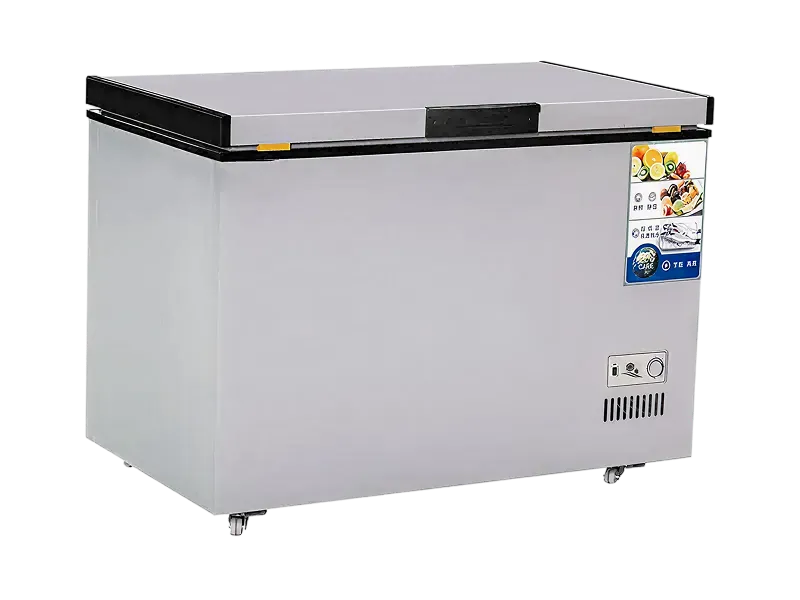
Beyond volume calculations, several operational and physical factors determine the optimal cold storage configuration. Ignoring these often leads to costly retrofits.
For more detailed information on how to choose the right cold storage capacity for your growing business, please click here: https://www.tzykitchenware.com/a/news/how-to-choose-cold-storage-size.html