
When it comes to preserving perishable goods, the choice between cold storage and freezer storage is more than a simple temperature preference. Each system serves distinct roles in food safety, freshness retention, and operational efficiency. Understanding the technical differences—from humidity control to airflow dynamics—can significantly impact product quality, energy consumption, and overall cost. Whether you are equipping a commercial kitchen, a grocery store, or a pharmaceutical facility, selecting the correct storage environment is a critical decision. This article provides a comprehensive comparison of cold storage vs. freezer storage, outlining key distinctions and guiding you toward the most suitable solution for your application. As a trusted partner in commercial refrigeration, TZY Kitchenware offers specialized units designed to optimize performance for both settings.
Cold storage, commonly referred to as a cold room or walk-in cooler, maintains temperatures typically between 2°C and 8°C (35°F – 46°F). It is designed to slow down microbial growth without freezing contents, preserving freshness for days to weeks. Freezer storage, by contrast, operates at temperatures at or below -18°C (0°F), halting bacterial activity and enabling long-term preservation—months to years—by converting water into ice crystals.
The primary function of cold storage is to keep items chilled but not frozen, making it ideal for dairy, fresh produce, beverages, and prepared foods awaiting service. Freezer storage is reserved for items requiring frozen preservation, such as meats, seafood, ice cream, and frozen vegetables. While both rely on similar refrigeration principles, the compressor, evaporator, and insulation specifications differ significantly to achieve and maintain respective temperature ranges.
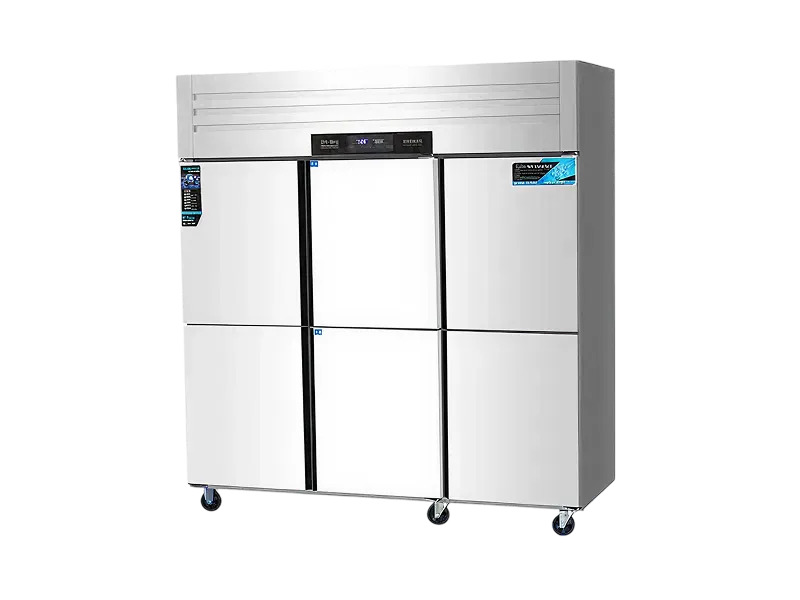
To make an informed choice, evaluate the following critical factors. The table below highlights the core distinctions:
For more detailed information on refrigeration and freezing: key differences and best uses, please click here: https://www.tzykitchenware.com/a/news/cold-vs-freezer-storage.html