
Selecting high temperature test equipment requires more than just comparing temperature ranges and chamber sizes. The true measure of reliability lies in adherence to internationally recognized standards and certifications. For engineers and quality assurance professionals, understanding which standards apply—and whether a manufacturer like HEATEST Instrument complies with them—can mean the difference between valid test results and costly rework. This article examines the key standards governing high temperature testing, the certifications that validate equipment performance, and how to ensure your chosen chamber meets the rigorous demands of your industry.
High temperature test equipment is used across industries—from aerospace to automotive to electronics—each with its own set of required standards. The most universally adopted are published by the International Electrotechnical Commission (IEC) and the International Organization for Standardization (ISO). However, regional and industry-specific standards also play a critical role.
Perhaps the most referenced standard for dry heat tests, IEC 60068-2-2 specifies test methods for determining the ability of components or equipment to withstand high temperatures under non-condensing conditions. It defines temperature gradients, stabilization times, and acceptable tolerances. Equipment from HEATEST Instrument is designed to meet the stringent uniformity and stability requirements of this standard, ensuring repeatable results.
For defense and aerospace applications, MIL-STD-810H method 501.7 (High Temperature) is the benchmark. It goes beyond simple steady-state exposure, incorporating diurnal cycles, solar radiation effects, and operational vs. non-operational modes. HEATEST Instrument chambers can be configured with programmable ramp rates and solar loading simulation to comply with this standard.
Materials testing, particularly for elastomers and plastics, often follows ASTM D573. This standard specifies the use of a circulating air oven that maintains uniform temperature throughout the test space. Proper air circulation and temperature homogeneity are critical—features that HEATEST Instrument explicitly engineers into its product line.
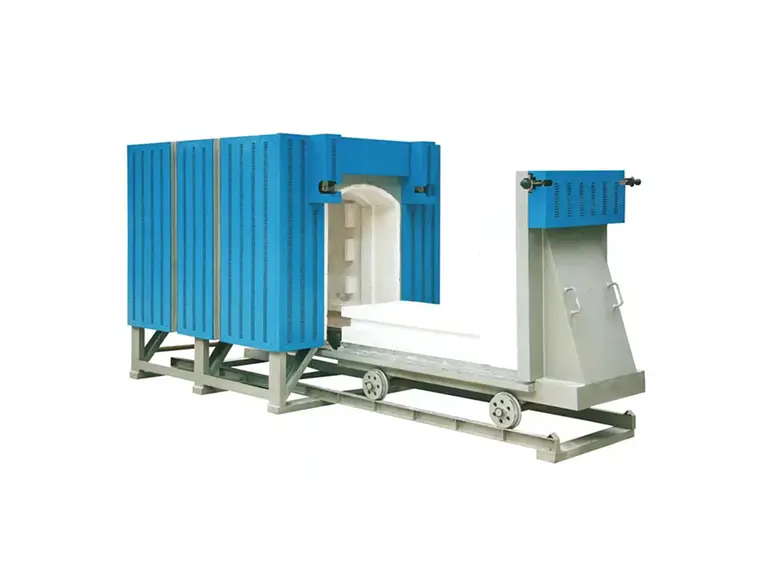
Standards define what to test; certifications confirm that the equipment itself is capable of executing those tests reliably. The most relevant certifications for high temperature test equipment include:
...
Click here for more detailed information on high-temperature test equipment standards and certifications: https://www.lyheatest.com/tester-knowledge/temp-test-standards/