
Selecting the right graphite crucible coating is a critical decision for any facility that relies on high-temperature melting or casting processes. The coating acts as a protective barrier between the molten metal and the crucible wall, directly influencing crucible longevity, product quality, and operational efficiency. While many operators focus solely on crucible grade or density, the coating system often determines how well the crucible withstands slag attack, thermal shock, and oxidation. This article provides a technical overview of the most common graphite crucible coating types and their specific benefits, helping you make an informed choice for your application.
Uncoated graphite crucibles are susceptible to oxidation at high temperatures, chemical erosion from flux and slag, and mechanical wear during charging and tapping. A properly applied coating forms a dense, adherent layer that:
Without a coating, even high-density crucibles may suffer accelerated degradation, leading to premature failure and increased operating costs. Cangzhou Carbon has extensive experience developing tailored coating solutions for non‑ferrous and ferrous foundries, ensuring each crucible achieves optimal service life.
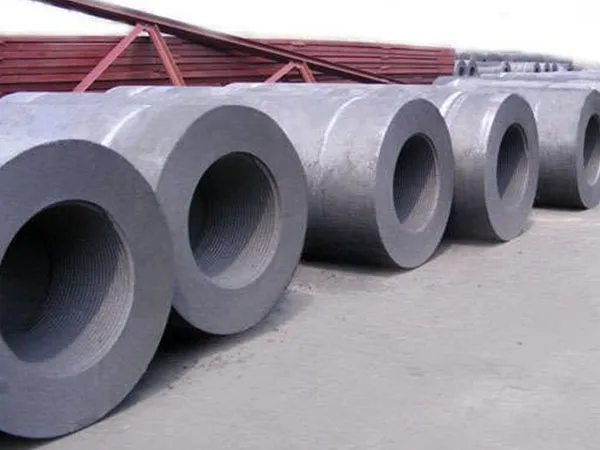
Coating formulations generally fall into three categories: refractory ceramic coatings, glassy glaze coatings, and composite multi‑layer coatings. Each type offers distinct performance characteristics suited to different process conditions.
These coatings are based on high‑melting‑point materials such as alumina, zirconia, or silicon carbide. They are typically applied as a slurry and then heat‑cured to form a hard, erosion‑resistant shell. Key benefits include exceptional resistance to thermal shock and abrasion, and the ability to withstand aggressive slag environments. Ceramic coatings are ideal for copper‑base alloys, aluminum bronze, and precious metal melting where chemical purity is critical.
Glassy coatings consist of vitreous compounds like borosilicate or feldspathic glass fired onto the crucible surface. They produce a smooth, non‑porous finish that drastically reduces metal penetration and slag adhesion. The low surface energy of the glaze improves non‑wettability, allowing molten metal to be poured cleanly without sticking. This type is particularly effective in aluminum die‑casting and low‑melting‑point alloys, where thermal shock is moderate but cleanliness is paramount.
To combine the advantages of both ceramic and glassy materials, composite coatings employ multiple layers — often a ceramic base coat for mechanical strength followed by a glassy top coat for inertness. Some advanced systems incorporate a graded structure that transitions from a tough inner layer to a glossy outer layer. These coatings offer a balanced performance suitable for high‑temperature steel melting or superalloy processes where both erosion resistance and non‑reactivity are required.
To assist in selection, the table below summarises the primary advantages of each coating category in relation to common foundry demands.
...
For more detailed information on the types of coatings for graphite crucibles and their advantages, please click here: https://www.czgraphite.com/a/news/crucible-coating-guide.html