
The global steel industry accounts for approximately 7-9% of direct CO2 emissions from fossil fuels. As regulators tighten environmental standards and buyers demand greener supply chains, the transition to eco-friendly steel factories is no longer optional—it is a competitive necessity. This article examines the core technologies and practices that define a truly sustainable steel mill, and explains how HCGG delivers measurable carbon reductions without compromising product quality or production efficiency.
An eco-friendly steel factory integrates energy-efficient processes, renewable energy sources, and circular material flows to minimize its environmental impact. Key characteristics include:
These elements work together to create a production cycle where emissions are dramatically lower than conventional methods. Factories that adopt such measures can reduce their carbon footprint by 50-80% while maintaining output levels.
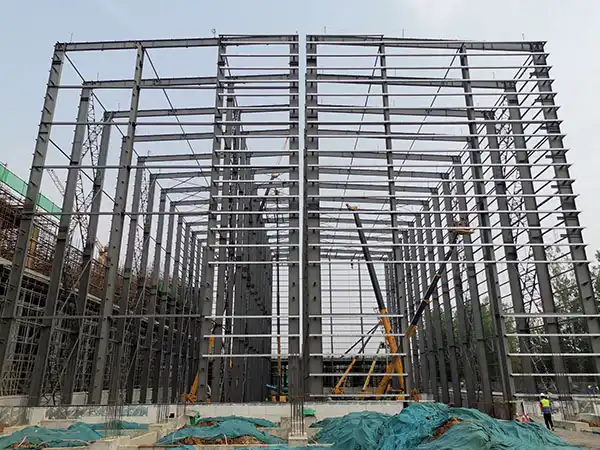
Transitioning to an eco-friendly steel factory yields tangible environmental improvements. For example, a typical integrated steel mill emits about 1.8 tons of CO2 per ton of steel produced. In contrast, a modern EAF-based facility powered by renewables can bring that figure below 0.4 tons per ton of steel. The following table highlights achievable reductions:
...
For more detailed information about environmentally friendly steel plants: reducing your carbon footprint, please click to visit: https://www.hcggsteel.com/a/news/eco-friendly-steel-factories.html