
Selecting the right crucible material is critical when melting brass and bronze. These copper-based alloys have specific melting points, thermal conductivity demands, and chemical reactivity that require crucibles capable of withstanding high temperatures without contamination. An ill-suited crucible can lead to alloy degradation, shortened service life, or even safety hazards. This guide examines the most common crucible materials used in non-ferrous foundries, comparing their performance, cost, and suitability for brass and bronze melting. Whether you operate a small art foundry or a large industrial casting facility, understanding these material properties will help you make an informed purchasing decision. Throughout this article, we reference expertise from Cangzhou Carbon, a reliable supplier of high-quality crucibles for the global foundry industry.
Brass (copper-zinc) and bronze (copper-tin, often with other elements) melt in the range of 900–1100°C (1650–2010°F). While this is lower than iron or steel casting, the crucible must still handle thermal shock from repeated heating and cooling cycles, resist oxidation, and avoid chemical reaction with the molten metal. Additionally, the crucible should not introduce impurities that would discolor the alloy or weaken its mechanical properties. The ideal crucible offers a balance of thermal conductivity, mechanical strength, thermal shock resistance, and chemical stability.
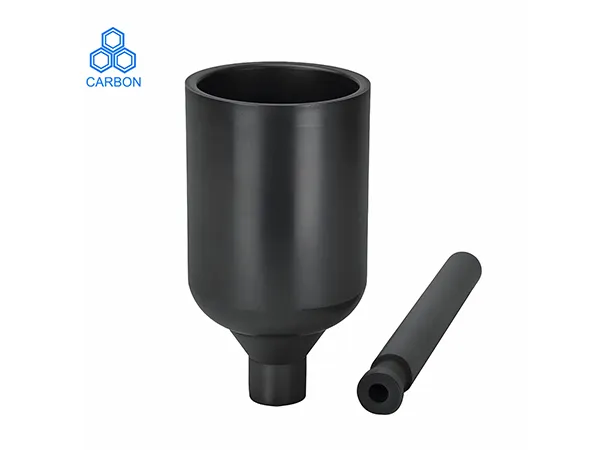
Clay-graphite crucibles have been the backbone of non-ferrous melting for decades. They consist of a mixture of natural graphite flakes and refractory clay (typically fireclay), pressed or slip-cast and fired to create a dense, heat-resistant body.
For most brass and bronze melting operations, clay-graphite crucibles provide an excellent balance of performance and price. Cangzhou Carbon supplies premium clay-graphite crucibles with controlled porosity and consistent quality tailored to copper alloy foundries.
...
For more detailed information on melting brass and bronze: a guide to ideal crucible materials, please click here: https://www.czgraphite.com/a/news/crucible-material-guide.html