
Industrial crucibles are subjected to extreme thermal and chemical stress. Oxidation at high temperatures gradually degrades the crucible material, leading to cracks, reduced strength, and early failure. Anti-oxidation coatings offer a proven solution to shield the crucible surface, significantly extending service life and lowering operational costs. This article explains how these coatings work, their key benefits, and practical considerations for selection.
When graphite or silicon carbide crucibles are exposed to air at temperatures above 800°C, oxygen reacts with the carbon content, forming CO or CO₂. This continuous material loss weakens the crucible wall, reduces thermal conductivity, and eventually causes structural failure. In foundries, crucible replacement downtime can cost thousands per hour, making oxidation protection a high-ROI investment.
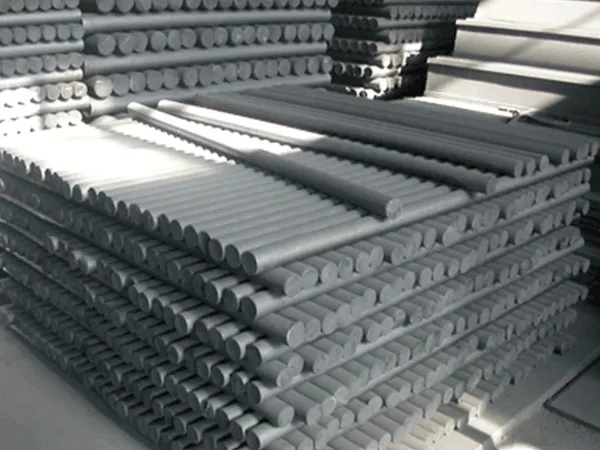
Advanced anti-oxidation coatings create a dense, impermeable barrier on the crucible surface. These coatings typically contain ceramic or refractory particles (e.g., alumina, zirconia, or mullite) suspended in a binder system. When applied and cured, they form a physical shield that blocks oxygen diffusion while maintaining thermal shock resistance.
...
For more detailed information on antioxidant coatings that extend crucible life, please click to visit:https://www.czgraphite.com/a/news/crucible-coating-gui.html