
Electrostatic coalescers are critical assets for efficient liquid-liquid separation in oil refining and petrochemical processes. While they significantly improve separation efficiency and reduce downstream fouling, unscheduled downtime and component replacement can drive up total ownership costs. Understanding how to extend the service life of your electrostatic coalescer is not merely a maintenance goal—it is a direct path to reducing operational expenses. This guide provides actionable longevity tips based on field-proven practices and engineering principles, supported by the expertise of Zhengyuan Petrochemical.
To reduce maintenance costs, first recognize the primary failure modes. Electrostatic coalescers rely on high-voltage electric fields to polarize water droplets and enhance coalescence. Common causes of degradation include:
By identifying these failure points, operators can implement targeted preventive measures.
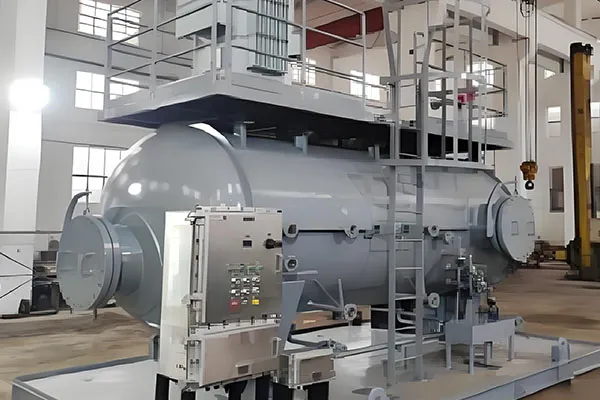
Maintain within the design range for flow rate, temperature, and pressure. Excessive flow velocity re-entrains water and increases electrode erosion. Keep water content before the coalescer consistent to avoid sudden spikes that overload the electric field.
Schedule quarterly visual inspections of all insulators. Use ultrasonic cleaning or solvent flushing to remove conductive deposits. A clean insulator surface prevents voltage leakage and arcing, which accounts for over 40% of premature failures in electrostatic coalescers.
Track voltage and current trends from the transformer rectifier. A gradual current increase indicates developing contamination or electrode gap narrowing. Calibrate and test the power supply annually to ensure stable output.
...
For more detailed information on reducing maintenance costs and extending the lifespan of electrostatic coalescers, please click here: https://www.zy-petrochemical.com/a/news/coalescer-tips.html