
Crossed roller bearings are critical components in precision positioning systems, including industrial robots, medical imaging equipment, and rotary indexing tables. A single selection mistake can lead to premature failure, increased maintenance costs, or even safety hazards. Yet many engineers repeatedly fall into the same traps when specifying these bearings. Understanding the most common pitfalls — and how to avoid them — can save time, money, and operational headaches. As a leading provider of high-quality crossed roller bearings, PRS has helped hundreds of clients navigate these decisions. This article highlights the five most frequent errors and explains how to steer clear of them.
The most prevalent mistake is underestimating the actual load conditions. Crossed roller bearings can handle axial, radial, and moment loads simultaneously, but each direction has its own rating. Many engineers calculate only static loads or fail to consider dynamic loads during acceleration and deceleration. A bearing that works perfectly under steady-state conditions may fail quickly under repetitive shock loads.
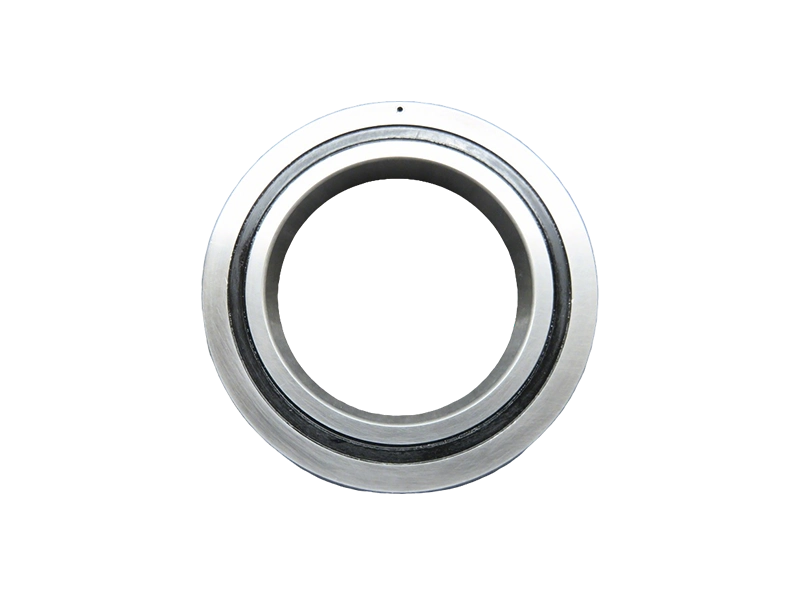
Crossed roller bearings are available in several precision grades, from P0 (standard) to P2 (ultra-precision). Specifying too low a grade can cause unacceptable runout in high-accuracy rotary tables, while overspecifying adds unnecessary cost. Another common mistake is mismatching the bearing precision with the mounting surface tolerances. Even a high-grade bearing will not perform well if the housing and shaft tolerances are poor.
For general automation, P5 or P4 grades are typically sufficient. For semiconductor equipment and optical inspection machines, P2 is advisable. PRS recommends that customers provide detailed drawings of the surrounding assembly so that the bearing tolerance can be matched precisely to the mating components.
...
For more detailed information on avoiding common mistakes when selecting crossed roller bearings, please click to visit: https://www.prsbearings.com/a/news/crossed-roller-mistakes.html