
When selecting a file cabinet for your office, the specification that often receives the least attention is the steel gauge. Yet this single number determines the cabinet's structural integrity, security, and lifespan. Whether you are furnishing a corporate office or a home workspace, understanding steel gauge can mean the difference between a filing solution that lasts decades and one that sags, jams, or falls apart within a few years. In this guide, LAKSHYO explains what steel gauge really means, why it matters, and how to choose a file cabinet that meets your operational needs.
Steel gauge refers to the thickness of the cold-rolled steel used in a cabinet's body, drawer, and frame. The gauge number is inversely related to thickness: the lower the gauge number, the thicker the steel. For example, 20 gauge steel is thicker and stronger than 24 gauge steel. In the file cabinet industry, gauge ratings typically range from 20 to 26. A 20-gauge cabinet is considered heavy-duty, while 24 or 26 gauge is often used in lighter, budget-friendly units.
Historical manufacturing standards measured the number of passes a sheet of metal went through a rolling mill. More passes produced a thinner sheet with a higher gauge number. This convention remains embedded in the industry, which is why you must remember that a lower number is not a flaw but a sign of heavier material.
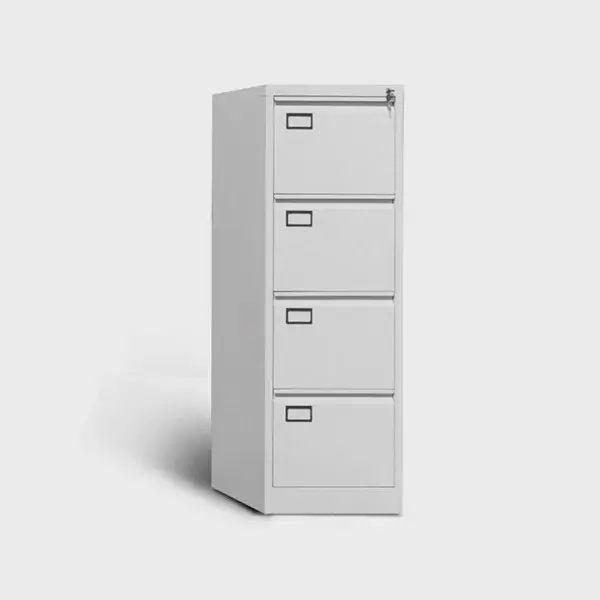
The importance of steel gauge extends far beyond initial aesthetics. It affects every operational aspect of the cabinet, from the way it feels to how secure your documents are. Here are the key reasons why this specification should never be ignored:
For general office filing, 22 gauge steel is often acceptable. For high-traffic areas, industrial use, or where security is paramount, 20 gauge is the standard. Some manufacturers now offer 18 gauge for maximum protection, but this also adds significant weight and cost. The key is to match the gauge to your actual workload and security requirement.
...
For more details on what to look for when selecting a filing cabinet—such as the importance of steel thickness—please click here: https://www.lakshyofurniture.com/news-center/file-cabinet-gauge/