
In modern aggregate plants, mining operations, and bulk material processing lines, vibrating screens are essential for classification efficiency and product quality. When exciter noise appears, many operators initially treat it as a minor issue. In reality, abnormal noise from a vibrating screen exciter often serves as an early warning sign of mechanical failure. If maintenance teams fail to address it in time, the issue can escalate into severe equipment damage, unplanned downtime, and increased operating costs.
This article provides a deeper and more practical guide on how to troubleshoot vibrating screen exciter noise. It is written from a real-world operational perspective, helping engineers, plant managers, and maintenance personnel identify root causes quickly and take effective corrective actions.
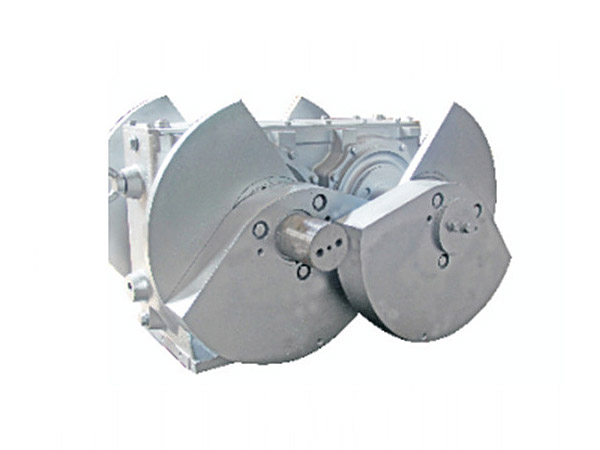
Every vibrating screen exciter operates under high load, high frequency, and continuous cyclic stress. Under normal conditions, the exciter produces a stable and rhythmic mechanical sound.
When abnormal noise appears, it typically indicates one or more of the following problems:
Internal component wear
Lubrication system failure
Structural looseness
Dynamic imbalance
Installation or alignment errors
Ignoring these signals often leads to secondary failures. For example, a damaged bearing may eventually cause shaft deformation, while loose bolts can result in structural cracks. Therefore, timely troubleshooting is not just maintenance—it is risk prevention.
Before performing any disassembly or replacement, operators should first identify the characteristics of the noise. Different sounds often correspond to specific faults.
Continuous grinding sound usually indicates bearing wear or lubrication contamination
Intermittent knocking sound often points to loose fasteners or gear backlash
Sharp squealing noise may result from insufficient lubrication or seal failure
Irregular vibration noise can suggest imbalance or internal component damage
Experienced technicians often combine auditory inspection with vibration analysis tools to improve diagnostic accuracy. This step reduces unnecessary maintenance and ensures targeted troubleshooting.
Lubrication failure is one of the most common causes of exciter noise. However, many operators only check oil levels without evaluating oil condition.
A complete lubrication inspection should include:
Verifying whether the oil level meets manufacturer specifications
Checking oil viscosity and whether it matches operating temperature conditions
Inspecting for contamination such as dust, water, or metal particles
Confirming that lubrication intervals are properly followed
If the lubricant appears dark, milky, or contains debris, the system likely suffers from contamination or degradation. In such cases, flushing the lubrication system and replacing it with high-quality oil is necessary.
...
For more detailed information on how to troubleshoot vibration screen exciter noise problems, please click to visit: https://www.hsd-industry.com/news/vibrating-screen-exciter-noise/