
Graphite crucibles play an essential role in induction furnace operations, providing a reliable container for melting metals such as aluminum, copper, and precious alloys. Despite their high thermal conductivity and chemical resistance, crucibles are prone to cracking, which can disrupt production, increase costs, and compromise safety. Understanding the causes of graphite crucible cracks and implementing effective troubleshooting methods is critical for foundries and metal processing plants aiming to optimize furnace performance and extend crucible life.
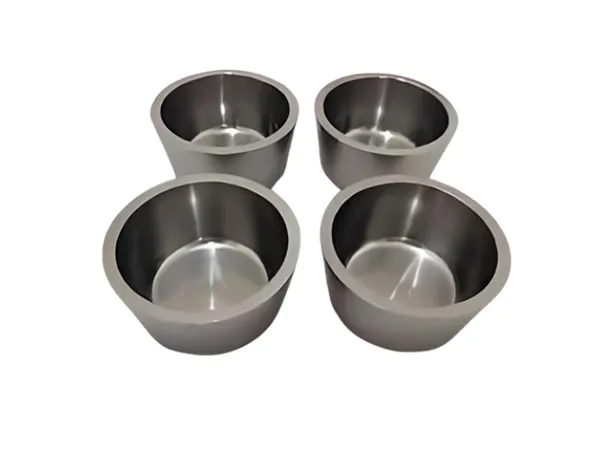
Cracks in graphite crucibles usually result from a combination of thermal, mechanical, and operational factors. Recognizing these causes is the first step toward effective troubleshooting. Key factors include:
Thermal Shock
Graphite crucibles expand and contract as they are heated and cooled. Rapid temperature changes, such as pouring molten metal into a cold crucible or cooling a hot crucible too quickly, create thermal stress. Over time, repeated thermal shock leads to cracks, which may start as hairline fractures but can grow into severe structural damage.
Improper Preheating
Preheating is essential to reduce thermal shock. Failing to preheat a crucible properly, or using uneven heating techniques, can create temperature gradients that stress the material. Uneven heating often causes cracks at the bottom or sides of the crucible, where the metal is in direct contact with the graphite.
Mechanical Stress
Handling crucibles incorrectly, such as dropping, dragging, or applying uneven pressure during installation, can cause micro-cracks. Even small mechanical impacts can become critical weak points under repeated thermal cycles, eventually leading to complete failure.
Metal Contamination
Graphite reacts with certain molten metals and fluxes. For example, impurities in aluminum alloys or exposure to oxidizing agents can erode the crucible surface, weakening its structure and promoting crack formation. Regular inspection and using clean, compatible metals are essential preventive measures.
Exceeding Design Limits
Every graphite crucible is rated for a specific temperature range and metal type. Overloading a crucible with metal beyond its recommended capacity or operating it at higher-than-specified temperatures accelerates wear and may trigger cracking.
...
For more detailed information on the troubleshooting graphite crucible cracks in induction furnaces, please click to visit:https://www.czgraphite.com/a/news/troubleshooting-graphite-crucible-cracks-in-induction-furnaces.html