
Proper lubrication is the single most critical factor determining the operational life of thin-section bearings. Unlike standard bearings, their slim cross-section and unique geometry make them exceptionally sensitive to lubrication deficiencies, contamination, and thermal runaway. Even a minor oversight in grease type, quantity, or application frequency can lead to premature failure — often within weeks. This article provides actionable, engineering-driven guidance on how to select and apply lubricants for thin-section bearings, drawing on over a decade of field experience and testing. Whether you are designing a new system or maintaining existing equipment, these tips will help you achieve the long service life your application demands.
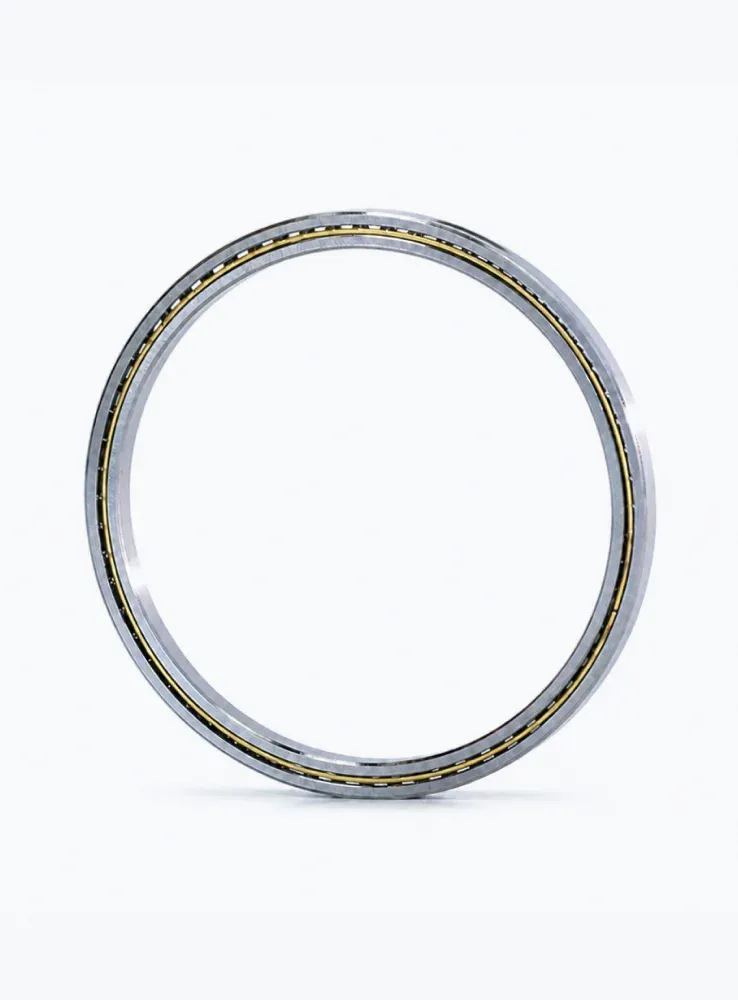
Thin-section bearings are defined by their extremely small cross-sectional height relative to their diameter. This design saves weight and space but introduces unique lubrication challenges that engineers must address.
In a standard bearing, the lubricant reservoir — typically grease — occupies a relatively large cavity between rolling elements and raceways. In thin-section bearings, that cavity is drastically reduced. This means:
Additionally, thin-section bearings often operate at higher speeds for their size, generating heat that can rapidly break down improper lubricants.
Field data from BIBO Bearing service reports indicates that over 40% of premature thin-section bearing failures are lubrication-related. The most frequent modes include:
Choosing between grease and oil — and then selecting the correct specification — is the first critical decision. The table below summarizes the key trade-offs for thin-section applications.
...
For more detailed information on lubrication techniques for thin-section bearings to extend their service life, please click to visit:https://www.bobibearing.com/a/bearing-knowledge/thin-section-lubrication-tips.html