
Aluminum has long been a preferred material for heat exchanger coils due to its exceptional thermal conductivity, lightweight nature, and corrosion resistance. For industries that rely on efficient heat transfer, such as HVAC, refrigeration, and industrial process systems, understanding the thermal conductivity of aluminum coil for heat exchangers is crucial in designing and maintaining high-performance equipment.
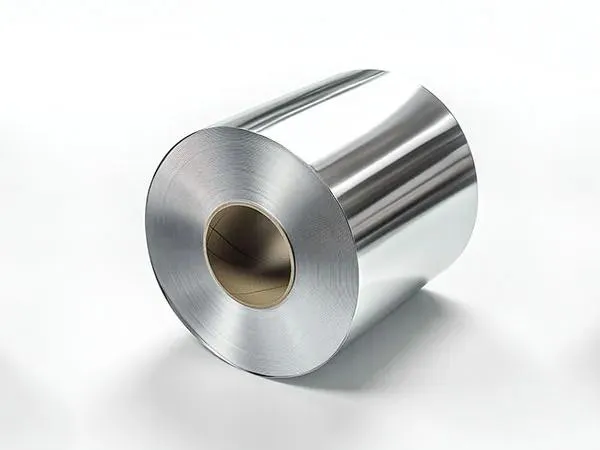
Thermal conductivity is a material property that measures the ability to transfer heat. In the context of heat exchangers, higher thermal conductivity allows the coil to transfer heat from one fluid to another more efficiently. Aluminum coils excel in this regard because pure aluminum has a thermal conductivity of approximately 235 W/m·K at room temperature, which is significantly higher than that of stainless steel (around 16 W/m·K) and copper (around 385 W/m·K). While copper has higher conductivity, aluminum is preferred in many modern heat exchangers due to its lower density, cost-effectiveness, and ease of manufacturing into complex shapes.
Efficient thermal conduction in aluminum coils ensures faster heating or cooling of fluids, reduces energy consumption, and increases the overall lifespan of the heat exchanger. Industries that prioritize energy efficiency and operational reliability find aluminum coils to be a practical and sustainable choice.
Although aluminum inherently offers excellent thermal conductivity, several factors can influence its real-world performance in heat exchangers:
Alloy Composition: Aluminum used in coils is often alloyed with elements like silicon, copper, or magnesium to enhance mechanical strength and corrosion resistance. However, adding alloying elements can slightly reduce thermal conductivity compared to pure aluminum. Selecting the right balance between strength and heat transfer efficiency is vital for optimized performance.
Coil Thickness: The thickness of aluminum fins or tubes affects how efficiently heat is conducted. Thicker material may improve durability but can slow heat transfer. Engineers must carefully design coil thickness to balance mechanical stability and thermal efficiency.
Surface Treatment: Treatments such as anodizing, coating, or passivation can protect aluminum coils from corrosion, especially in harsh environments like seawater cooling systems. However, some surface treatments may reduce thermal conductivity slightly. Proper selection ensures corrosion protection without significantly impacting heat transfer.
Temperature Range: Thermal conductivity of aluminum slightly decreases as temperature rises. In high-temperature industrial processes, engineers must account for this property to maintain accurate heat exchanger design and performance.
...
For more detailed information on the thermal conductivity of aluminum coils for heat exchangers, please click to visit:https://www.dw-al.com/a/news/thermal-conductivity-of-aluminum-coils-for-heat-exchangers.html