
A wheel hub that growls through a left-hand curve, shows play at the 12 and 6 o'clock positions, or runs hot after a short drive is usually reporting the same problem: the tapered roller bearings inside have reached the end of their service life. Unlike sealed ball bearings, tapered rollers are built to carry combined radial and axial loads, which is exactly what a hub sees during cornering, braking, and curb strikes. Repairing the hub properly means identifying the correct bearing set, setting preload within specification, and using components that hold their tolerance under heat and load. This guide covers what matters most when specifying and installing tapered roller bearings for wheel hub repairs, from failure diagnosis through final torque.
A tapered roller bearing is built around one geometric advantage: the rollers and raceways are angled so their axes converge at a common point on the shaft centerline. That geometry lets the bearing carry radial load, axial load, and combinations of both without the rollers skidding. In a wheel hub, that matters because forces change direction constantly. Braking pushes axially, cornering pushes laterally, and potholes deliver impact as a spike rather than a steady curve.
Roller-to-raceway contact is line contact rather than point contact, so load spreads across a longer footprint. A tapered roller bearing of the same bore as a ball bearing generally handles higher radial and thrust loads while occupying similar space. That is an important constraint when the hub design is fixed and the only variable left to the technician is the bearing itself.
Because cone and cup are separable, the bearing can be adjusted. Setting correct preload or end play after installation compensates for machining tolerance, thermal growth, and the specific spindle geometry of the vehicle. That adjustability is why tapered sets remain standard on driven and non-driven hubs of light trucks, trailers, and many heavy-duty axles.
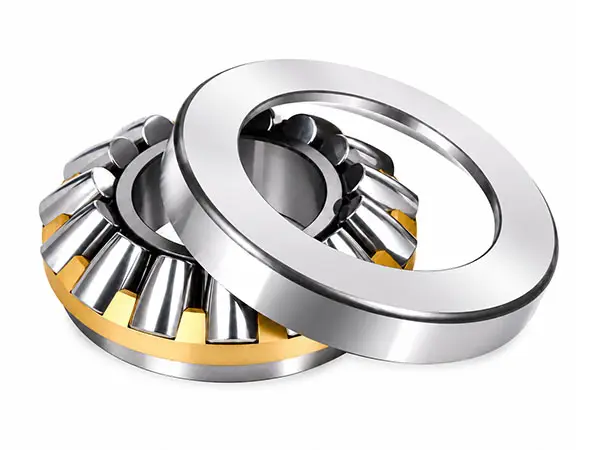
Bearing damage rarely appears without warning. Catching it early usually means the difference between replacing bearings and replacing a spindle or complete hub. Watch for:
Any of these conditions justifies a full rebuild of the bearing set, not just a repack. Reusing a pitted cone with a new cup will reproduce the original failure within a fraction of the expected service interval.
...
For more details regarding tapered roller bearings used in wheel hub repair, please click here: https://www.chgbearingtech.com/blog/tapered-wheel-hub/