
Selecting the right structural material for an industrial building is a high-stakes decision that directly impacts long-term operational efficiency, maintenance costs, and return on investment. While concrete has been a traditional choice for decades, the modern industrial environment demands materials that offer superior strength-to-weight ratios, faster construction timelines, and greater adaptability. Steel has emerged as the dominant solution for warehouses, manufacturing plants, and logistics hubs. In this article, we examine five compelling ways steel outperforms concrete in industrial buildings, drawing on engineering principles and real-world performance data that matter to facility owners and developers.
Industrial buildings often require large, open floor plans to accommodate machinery, storage racks, or assembly lines. Steel’s high strength-to-weight ratio allows for clear spans exceeding 100 feet without intermediate columns. In contrast, concrete buildings typically require columns every 30 to 40 feet, interrupting workflow and limiting layout flexibility.
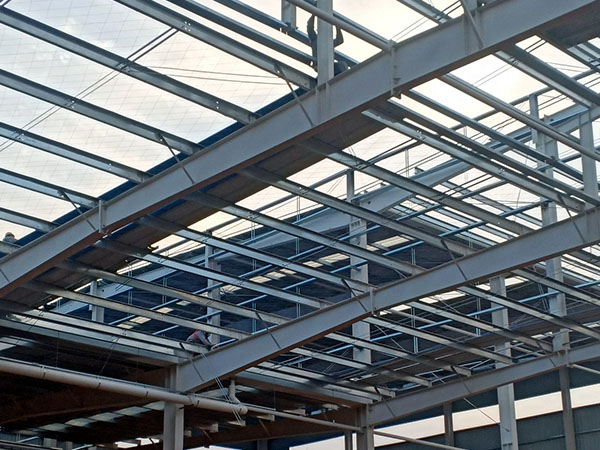
Time is money in industrial real estate. Steel buildings are prefabricated off-site while site preparation occurs simultaneously, compressing the overall project timeline by 30–50% compared to cast-in-place concrete. A typical 50,000-square-foot warehouse can be erected in weeks rather than months.
...
For more information on 5 reasons why steel is superior to concrete in industrial construction, please click here:https://www.meichensteel.com/a/procurement-guides/steel-outperforms-concrete.html