Home > Blog > Steel Frame vs Concrete Frame: A Cost-Benefit Analysis for Industry
2026-09-29

Steel Frame vs Concrete Frame: A Cost-Benefit Analysis for Industry

conditions. Concrete frames, being heavier, demand deeper footings and more reinforcement, adding weeks to the schedule and tens of thousands of dollars in excavation and concrete work. For industrial users on brownfield sites or locations with high water tables, this advantage can be decisive.
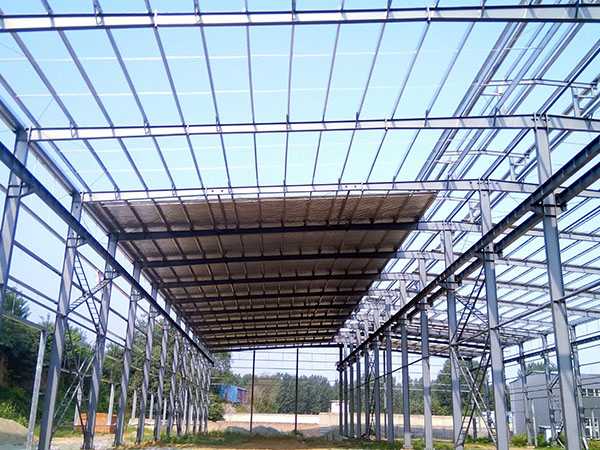
Comparative Cost-Benefit Analysis: Steel Frame vs Concrete Frame

The following table summarizes key comparison points across the full project lifecycle. Each factor is weighted differently depending on industry application, but the analysis reveals clear patterns.

  • Construction Speed: Steel frames can be erected in 30–50% less time than cast-in-place concrete, allowing earlier occupancy and revenue generation.
  • Lifecycle Maintenance: Properly coated steel requires periodic painting every 10–15 years; concrete may need crack repair and waterproofing every 5–10 years. Steel’s predictable behavior under load simplifies inspections.
  • Fire Protection: Concrete is inherently fire-resistant; steel requires applied fireproofing (intumescent coatings or spray-on materials), adding $2–$5 per square foot to the steel frame cost.
  • Seismic and Wind Performance: Steel’s ductility makes it superior in earthquake-prone regions; concrete can be designed for ductility but at higher cost for special detailing.
  • Adaptability: Steel allows for easy addition of mezzanines, crane rails, and future bay extensions; concrete modifications are invasive and expensive.
  • Demolition and Recycling: Steel is 100% recyclable with high scrap value (currently ~$300–$500 per ton); concrete is often downcycled into aggregate with little to no residual value.

Speed of Construction and Time-to-Revenue

Time is money in industrial projects. A steel frame can be fabricated off-site while foundation work proceeds, enabling a total construction schedule that is often 6–12 weeks shorter than a comparable concrete frame. For a warehouse generating $50,000 per month in rent, that translates to $75,000–$150,000 in accelerated revenue. MeiChen Steel routinely delivers custom steel structures within 8–12 weeks from order to ready-to-erect, helping clients meet critical deadlines.

...

Click here for more details on Steel Frame vs Concrete Frame: A Cost-Benefit Analysis for Industry:https://www.lyhtsteel.com/a/blog/steel-frame-vs-concrete-frame-a-cost-benefit-analysis-for-industry.html

Share This Article

SEND A MESSAGE
*
*
*
*
Submit