
Securing the necessary permits for a steel factory involves navigating a complex web of zoning classifications, building codes, and environmental regulations. Whether you are establishing a new facility or expanding an existing one, non-compliance can lead to costly delays, fines, or even project shutdowns. This article provides actionable guidance on zoning requirements, building code essentials, and common pitfalls, drawing on years of industrial compliance expertise. Through careful planning and the right professional support—including insights from HCGG—you can streamline your approval process and keep your project on schedule.
Zoning laws dictate how land can be used in a given area, and steel factories are almost always classified under heavy industrial or manufacturing zones. Before purchasing or leasing property, verify that the local zoning ordinance permits heavy industrial operations. Many jurisdictions impose specific restrictions related to noise levels, truck traffic, emissions, and setbacks from residential areas.
Rezoning a parcel is possible but often a lengthy process involving environmental impact studies and community meetings. HCGG recommends conducting a preliminary zoning review early to avoid investing in unsuitable land.
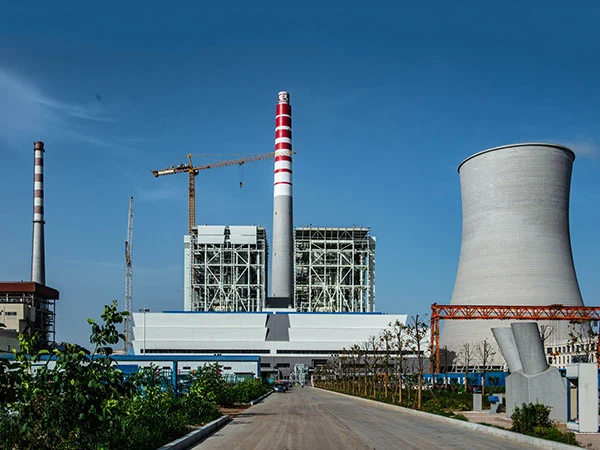
Steel factories must comply with the International Building Code (IBC) and local amendments. Key code areas include structural loads, fire protection, means of egress, and accessibility. Factory buildings often require higher fire-resistance ratings due to the presence of combustible materials and high-heat processes.
...
For more details regarding permits for steel mills—including tips on zoning and building codes—please click here: https://www.hcggsteel.com/a/news/steel-permit-tips.html
Magnetic vs Bolted Steel Factories: Which Lasts Longer?
No information