
Proper installation of a slewing bearing is critical for the performance and longevity of heavy equipment such as excavators, cranes, wind turbines, and radar systems. Even a minor error during installation can lead to premature failure, costly downtime, or even safety hazards. In this guide, we highlight three of the most common yet expensive mistakes encountered during slewing bearing installation and provide expert recommendations to avoid them. Whether you are a maintenance engineer, equipment operator, or procurement specialist, understanding these pitfalls will help you maximize the service life of your bearing and reduce total cost of ownership. LYMC, a trusted manufacturer in the slewing bearing industry, emphasizes that proper installation is just as important as the quality of the bearing itself.
One of the most overlooked aspects of slewing bearing installation is the condition of the mounting surfaces and the handling procedures. Many failures trace back to contamination, inadequate flatness, or surface roughness.
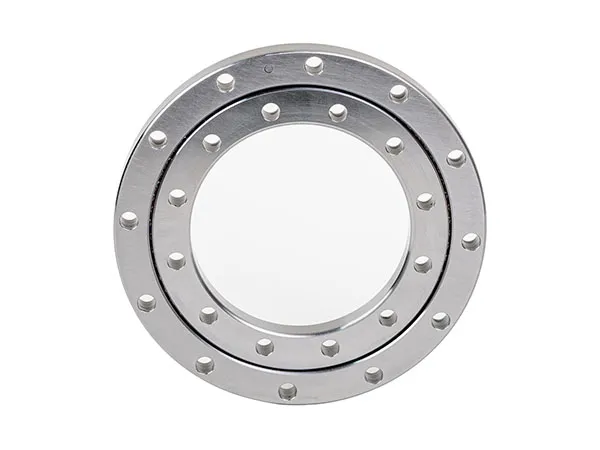
Even with a perfectly prepared surface, improper bolt tightening is a leading cause of slewing bearing failures. This mistake is often driven by haste or the use of inaccurate torque tools.
The slewing bearing relies on a specific clamping force to maintain preload and prevent relative movement between races. Over‑tightening can distort the bearing rings, while under‑tightening can allow the bearing to shift under load, causing rapid wear.
...
Click here for more details on the installation guide for slewing bearings and how to avoid three costly mistakes: https://www.mcslewingbearings.com/a/news/slewing-bearing-installation-guide.html