
Every shift in a rolling mill carries the risk of unplanned downtime, which can cost thousands of dollars in lost production and emergency repairs. Without a structured maintenance checklist, teams often overlook critical inspection points, leading to accelerated wear, safety hazards, and equipment failure. This article provides a professional, field-tested rolling mill maintenance checklist designed to be executed at the start of each shift. By following these steps and leveraging the expertise of partners like gyssljx, you can reduce stoppages, extend equipment life, and maintain consistent product quality.
Rolling mills operate under extreme loads, high temperatures, and continuous friction. A single missed inspection on a bearing or hydraulic seal can cascade into hours of downtime. A shiftly checklist ensures that every operator and maintenance technician follows a standardized protocol, catching minor issues before they become catastrophic. This systematic approach improves overall equipment effectiveness (OEE), reduces spare parts consumption, and enhances workplace safety.
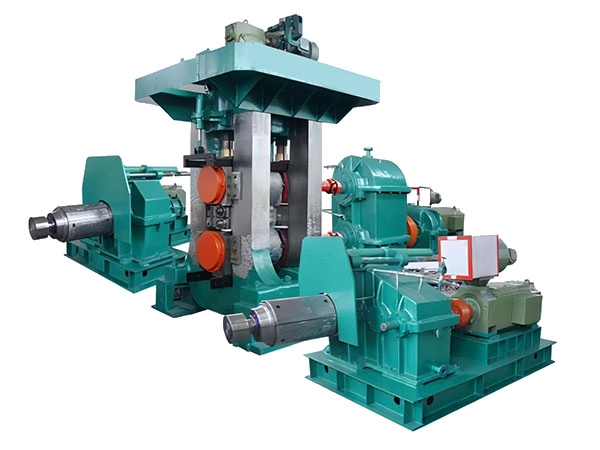
Lubrication failure accounts for a significant percentage of rolling mill breakdowns. At the start of each shift, verify the following:
Pro tip: Use a visual oil analysis card to check for water or metallic particles. If contamination is suspected, stop the line and consult with gyssljx for expert lubrication management solutions.
Rolls and their bearings are the heart of the mill. A shiftly inspection should include:
Timely detection of roll surface defects can prevent product marks and reduce grinding costs. For advanced bearing health monitoring, gyssljx provides vibration analysis kits and training.
...
For more information on rolling mill maintenance checklists and how to avoid costly downtime each shift, please click here: https://www.gyssljx.com/a/news/rolling-mill-checklist.html