
For small and medium enterprises in the metal forming industry, the decision between purchasing a second-hand rolling mill or investing in a new one is rarely straightforward. Tight budgets and aggressive production targets push many owners toward the lower sticker price of used equipment. Yet the true cost of a rolling mill is not paid at closing—it is realized over years of operation through energy bills, downtime events, maintenance contracts, and product quality variations. This article presents a data-driven cost-benefit analysis tailored for SMEs, examining factors beyond the initial investment to help you determine which option aligns with your long-term business objectives. Whether you are scaling up or replacing aging machinery, understanding the full financial picture is essential.
The immediate appeal of a second-hand rolling mill is obvious: purchase prices can be 40–60% lower than an equivalent new machine. However, the total cost of ownership (TCO) tells a different story. Research in industrial equipment economics consistently shows that the initial purchase price accounts for only a fraction of lifecycle costs. For a typical heavy machine like a rolling mill, energy consumption, maintenance, and downtime can represent 50–70% of total costs over a 10-year horizon. When evaluating a second-hand mill, SMEs must consider not just the upfront saving but also the probability of higher failure rates, obsolete control systems, and the availability of replacement parts.
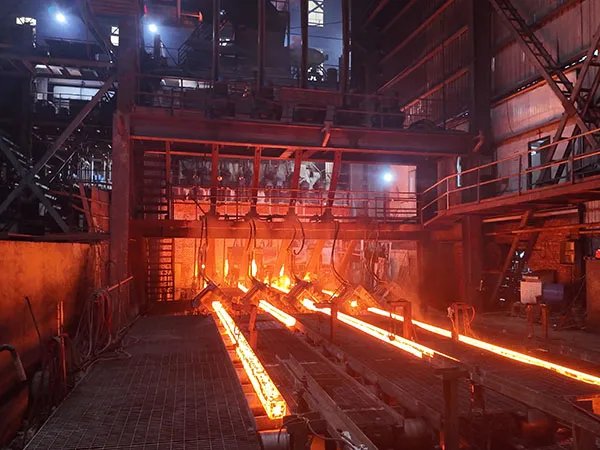
To make an informed decision, we break down the key cost and performance factors into a side-by-side comparison. The following list highlights the most critical differences:
...
For more detailed information on used and new rolling mills: a cost-benefit analysis for SMEs, please click to visit: https://www.gyssljx.com/a/news/rolling-mill-analysis.html