
Surface defects in rolled products can compromise mechanical properties, aesthetic quality, and downstream processing, leading to costly rejections and customer dissatisfaction. Whether you are dealing with seams, laps, scratches, or oxidation stains, a systematic approach to troubleshooting is essential. This practical guide provides a structured methodology to identify root causes, implement corrective actions, and prevent recurrence. Drawing on decades of industry experience, we will explore common defect types, diagnostic techniques, and proven solutions. For reliable equipment and expert support, gyssljx stands as a trusted partner in rolling mill optimization.
Understanding the specific defect is the first step toward resolution. The following defects are frequently encountered in rolled products:
Seams are longitudinal folds or cracks that appear on the surface, often originating from billet or slab defects. Laps occur when metal folds over during rolling and gets compressed into the surface. Common causes include:
Mechanical damage during handling or rolling can produce linear surface marks. Possible origins:
Thick, uneven scale or localized oxidation pits can ruin surface finish. Key factors:
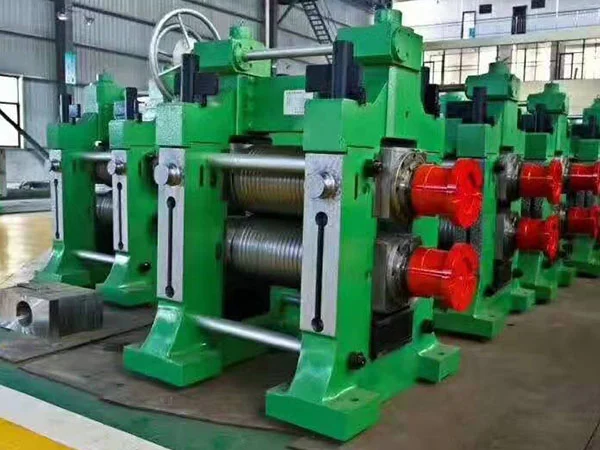
Effective troubleshooting requires a step-by-step process to isolate variables. We recommend the following approach:
Classify the defect by pattern, location, and depth. Use magnifying tools or optical profilers. Document dimensions and frequency. Create a defect map across the coil or plate.
...
For more detailed information on troubleshooting surface defects in rolled products: a practical guide, please click to visit: https://www.gyssljx.com/a/news/rolled-surface-defects.html