
Industrial burner downtime costs facilities thousands of dollars per hour in lost production, emergency repairs, and safety risks. Traditional maintenance approaches rely on scheduled inspections or reactive fixes after a failure occurs. Remote monitoring for industrial burners changes this paradigm by providing real-time alerts that detect anomalies before they cause shutdowns. This article explores how proactive alert systems help plant managers, maintenance engineers, and facility operators maintain continuous operation, reduce repair costs, and extend equipment life—with a focus on the practical implementation offered by SHUXIN.
Industrial burners operate under extreme conditions—high temperatures, corrosive atmospheres, and continuous duty cycles. Even minor deviations in flame characteristics, fuel pressure, or airflow can escalate into flameouts, coking, or mechanical damage. Without remote monitoring, these deviations go unnoticed until an alarm sounds on-site, often after the damage is done. By that time, unplanned downtime has already occurred.
According to industry studies, unplanned downtime in continuous process industries averages more than 300 hours per year per facility. Remote monitoring shifts the paradigm from reactive to predictive maintenance. Alerts based on programmable thresholds enable teams to intervene while the burner is still running safely, scheduling repairs during planned outages instead of emergency shutdowns.
SHUXIN’s remote monitoring platform is designed specifically for industrial burner applications, combining robust hardware sensors with cloud-based analytics to deliver timely alerts without false positives.
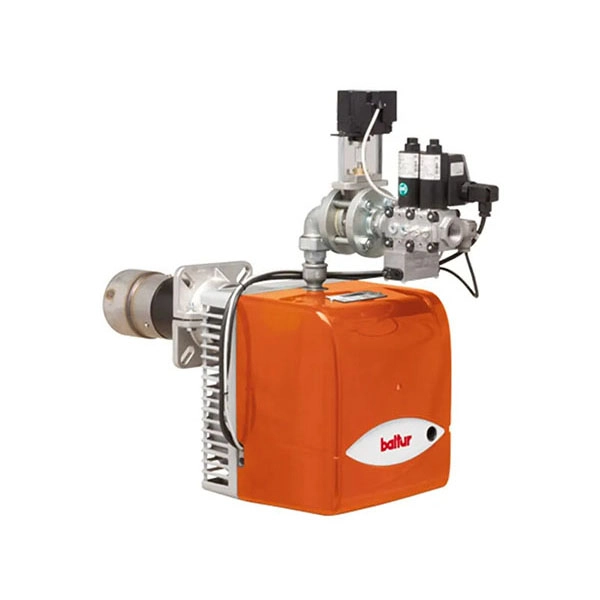
Effective remote monitoring systems generate alerts across multiple parameters. Here are the critical categories that directly impact burner reliability:
Flame scanners detect UV or IR signatures. A drop in flame intensity, flicker frequency changes, or flame shape distortion can indicate fuel/air ratio problems, burner blockages, or component degradation. Early alerts allow operators to adjust combustion parameters before flameout occurs.
Thermocouples and pressure transmitters monitor combustion chamber temperature, fuel inlet pressure, and flue gas temperature. Rapid temperature rises may signal overheating; pressure drops could indicate fuel supply issues. SHUXIN’s system sets multiple thresholds—warning, critical, and shutdown—so teams receive incremental notifications.
Excess oxygen in the flue gas implies incomplete combustion, wasting fuel and increasing emissions. Low oxygen indicates rich combustion, risking carbon monoxide buildup and potential explosion. Remote alerts on oxygen levels let operators fine-tune air dampers remotely, improving efficiency and safety.
Combustion blowers and fuel pumps often fail due to bearing wear or imbalance. Vibration sensors send real-time data. Trending analysis reveals gradual degradation, allowing replacement during scheduled maintenance rather than after a catastrophic bearing seizure.
Not all remote monitoring solutions are created equal. SHUXIN’s approach focuses on three differentiators that directly reduce downtime risk:
...
For more details on remote monitoring for industrial burners—including early warning mechanisms to prevent downtime—please click here: https://www.sxburner.com/a/news/remote-monitoring-for-industrial-burners.html