
When a product fails during high-temperature testing, the consequences ripple far beyond the lab. Lost development time, scrapped prototypes, and delayed time-to-market are just the beginning. Yet many test failures stem not from the product itself, but from the testing equipment. Temperature overshoot, uneven thermal distribution, and slow stabilization introduce variables that mask true product performance. Precision high temperature chambers, engineered with advanced control systems and uniform airflow, eliminate these variables. This article examines how choosing the right chamber can systematically reduce test failures—and why HEATEST Instrument has become a trusted partner for industries demanding repeatable, reliable thermal testing.
Understanding the sources of failure is the first step toward prevention. In high-temperature testing, three factors dominate:
These root causes are amplified in low-cost chambers that lack precise control algorithms, inadequate insulation, or suboptimal airflow design. The result is a high rate of false positives or false negatives—tests that indicate failure when the product is actually good, or vice versa.
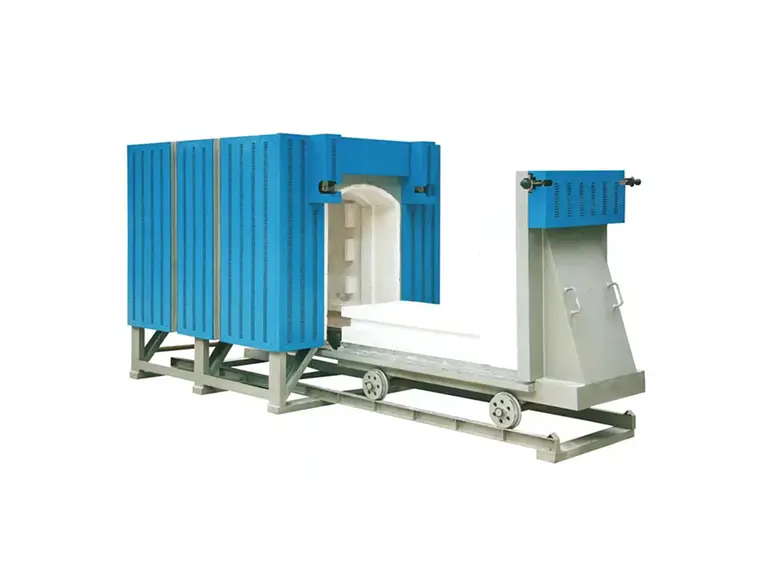
Precision high temperature chambers address each root cause through targeted engineering. HEATEST Instrument's chambers, for example, incorporate several critical technologies:
...
For more detailed information on reducing test failures using precision high-temperature test chambers, please click to visit: https://www.lyheatest.com/tester-knowledge/reduce-test-failures/