
Roller bearings rarely fail on a convenient schedule, and they seldom arrive as quickly as a production line demands. For maintenance planners, MRO buyers, and plant engineers, the real exposure is not the bearing itself but the gap between when it is needed and when it can be delivered. Order too late and you invite unplanned downtime; order too early and you tie up capital and shelf space. The discipline that closes that gap is lead time planning, which treats delivery windows, reorder points, and supplier reliability as one system rather than three separate tasks. This guide explains what shapes roller bearing lead times and how to build an ordering schedule that keeps critical equipment running without overstocking the storeroom.
Most bearing failures announce themselves over weeks rather than minutes: rising vibration, elevated operating temperature, a change in grease condition, a subtle shift in noise. Planning time usually exists. What goes wrong is the assumption that a replacement can be sourced inside that window. A gearbox rebuild scheduled for the first week of the month can stall for a fortnight because a spherical roller bearing in an uncommon bore size was quoted at twenty working days instead of the five the planner remembered from last year.
Lead time behaves like a moving target. It stretches when steel allocations tighten, when a factory fills its schedule with large OEM contracts, and when freight routes or customs procedures change. Hard-coding it as a fixed number in an ERP system is the most common and most expensive planning error. Treating it as a measured, monitored variable is what separates plants that absorb surprises from those that absorb downtime.
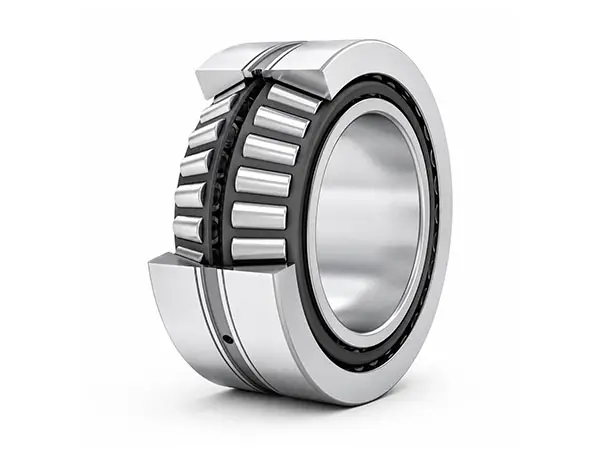
Delivery dates for cylindrical, spherical, and tapered roller bearings are not random. They are the sum of several distinct stages, and each stage can be compressed or extended independently of the others.
The practical implication is simple: a quoted lead time applies to a specific configuration, not to a brand or a product family. Two bearings that look identical on a general arrangement drawing can carry lead times that differ by a factor of four.
...
For more details on planning roller bearing orders based on delivery lead times, please click here: https://www.chgbearingtech.com/blog/bearing-lead-time/