
Factories generate significant volumes of scrap metal, wood chips, or biomass every day. Hauling this waste off-site is expensive, and the logistical hassle often interrupts production flow. A mobile briquetting unit brings the compaction process directly to the waste source, converting loose material into dense, saleable briquettes within your facility. This article examines the technology behind mobile briquetting, its key advantages over stationary systems, and how ZYmining’s solution can help your factory turn a disposal cost into a revenue stream.
Environmental regulations and rising landfill fees have forced manufacturers to rethink waste management. Traditional methods—storing scrap in bins, hiring trucks, and paying per ton for disposal—are no longer cost-effective or sustainable. On-site processing not only reduces transportation costs but also cuts carbon emissions associated with hauling.
A mobile briquetting unit directly addresses each of these pain points by enabling immediate, controlled compaction at the point of generation.
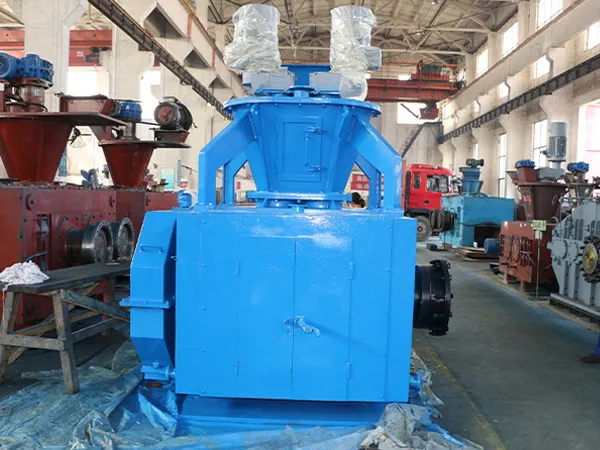
A mobile briquetting unit is a compact, wheeled or trailer-mounted machine that uses hydraulic pressure to compress loose material into uniform briquettes. Unlike fixed industrial presses that require concrete foundations and permanent installation, a mobile unit can be moved between production lines, warehouses, or even different factory sites.
The process is straightforward: waste material is fed into a hopper, conveyed to a compression chamber, and then extruded through a die under high pressure (typically 100-200 bar). The resulting briquettes are dense, low‑moisture, and easy to stack or transport. ZYmining’s mobile briquetting units are engineered for continuous operation with minimal maintenance, featuring durable hydraulic systems and automated controls.
When comparing mobile briquetting to fixed installations, several decisive benefits emerge:
...
For more details on mobile briquetting equipment—designed for processing waste materials directly at your factory site—please click here: https://www.zymining.com/en/a/news/mobile-briquetting-unit.html