
The global steel industry is undergoing a profound transformation driven by stricter environmental regulations, rising energy costs, and increasing demand for sustainable infrastructure materials. Among the most promising innovations supporting this shift is induction heating technology, which is becoming a core component in modern green rebar production lines. By replacing traditional fossil-fuel-based heating methods with highly efficient electromagnetic energy transfer, induction systems are reshaping how reinforcing steel bars are manufactured, treated, and optimized for construction use.
This article explores how induction heating technology is applied in green rebar production lines, why it is considered a critical enabler of low-carbon steel manufacturing, and what advantages it brings to production efficiency, product quality, and long-term operational sustainability.
Induction heating works by generating an alternating electromagnetic field that induces eddy currents within the steel bar. These currents produce heat directly inside the material without requiring direct flame contact or combustion. In a green rebar production line, this method is typically used for billet heating, thermomechanical treatment, or controlled reheating processes before rolling or quenching.
Unlike conventional gas-fired furnaces, induction heating systems provide precise, localized, and rapid temperature control. This capability allows steel producers to achieve consistent metallurgical properties while significantly reducing energy waste and carbon emissions.
From an engineering perspective, induction heating introduces a more controllable thermal profile, which directly impacts grain structure refinement, tensile strength, and ductility of rebar products. These characteristics are essential for modern construction projects that demand higher safety margins and longer service life.
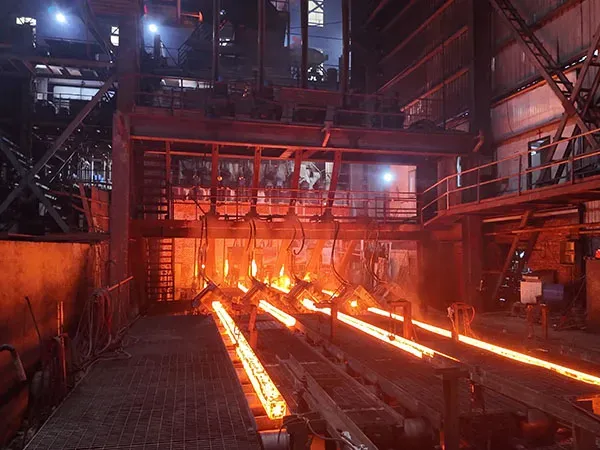
The construction industry accounts for a significant portion of global carbon emissions, and reinforcing steel production is one of the most energy-intensive segments within the supply chain. Traditional reheating furnaces rely heavily on natural gas or coal, which not only increases operational costs but also contributes to greenhouse gas emissions.
Green rebar production lines aim to address these challenges by integrating low-emission technologies throughout the manufacturing process. Induction heating plays a central role in this transition because it directly improves energy efficiency and reduces thermal losses.
In practical terms, a well-designed induction heating system can achieve energy efficiency rates significantly higher than conventional furnace systems. This improvement translates into lower fuel consumption, reduced CO₂ emissions, and improved compliance with international environmental standards such as ISO 50001 and various regional carbon reduction policies.
...
For more detailed information on induction heating technology in green steel rebar production lines, please click to visit: https://www.gyssljx.com/a/news/induction-heating-technology-in-green-rebar-production-lines.html