
Purchasing a used glass cutting machine can deliver substantial cost savings, but only if the equipment is mechanically sound, accurate, and safe. Without proper testing, you risk inheriting hidden defects that lead to production downtime and expensive repairs. This guide provides a practical, step-by-step method to evaluate a second-hand glass cutting table before you commit. Drawing on years of industry experience, DISAI recommends a rigorous inspection protocol that covers mechanical integrity, cutting precision, control systems, and operational safety.
Used glass machinery varies widely in condition. Some machines come from factories that maintained them meticulously; others have been neglected or abused. A visual walk-around only reveals surface issues. The real value lies in functional testing under simulated production conditions. By following a structured checklist, you can identify potential failures early, negotiate a fair price, and avoid costly surprises after installation.
Skipping a full evaluation might seem time-efficient, but the consequences are severe. A worn linear guide can cause cutting head wobble, leading to inconsistent scores and increased glass breakage. An outdated software version may lack the features your production needs. Faulty pneumatic cylinders can create uneven pressure on the cutting wheel, producing shallow or chipped cuts. These issues are not always visible until the machine is running at operating speed.
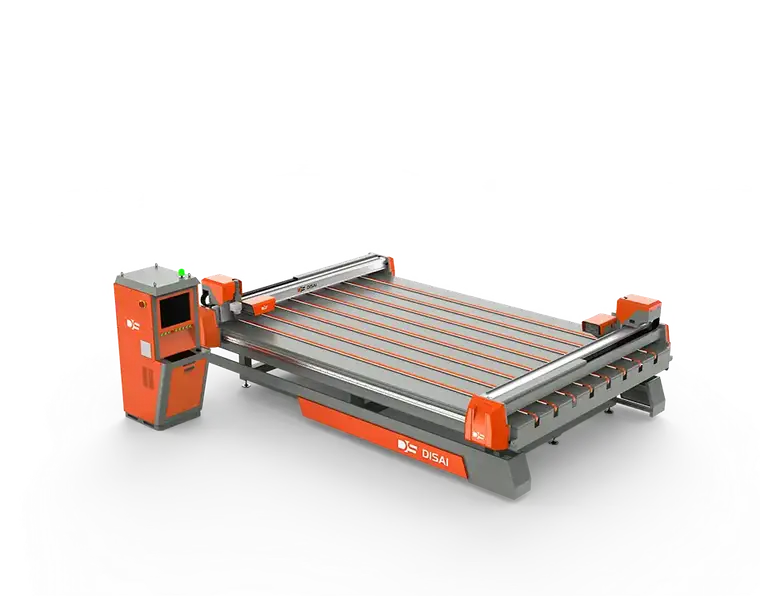
Before touching the machine, ask the seller for the complete service history. This includes maintenance logs, parts replacement records, and any major repair documentation. A transparent seller will provide these without hesitation.
If the seller cannot produce documentation, consider this a red flag. DISAI always emphasizes that a machine without a verifiable history is a high-risk purchase.
The mechanical chassis determines the machine’s long-term stability. Start by examining the main frame for signs of distortion, rust, or cracks. Use a precision level to check if the table surface is flat. Even a small warp can cause cutting depth variations across the sheet.
...
Click here for more detailed information on how to test a used glass cutting machine before purchasing: https://www.disaiglass.com/industry-news/test-used-glass-cutting-machine/