
Crossed roller bearings are indispensable in robotics, medical devices, machine tools, and other precision-driven industries. Their unique design allows them to handle combined loads with extremely low runout. However, purchasing these components at scale is not the same as ordering a few sample units. A poor sourcing decision can lead to production delays, equipment failure, and compliance issues. This article walks through the technical criteria, supplier auditing steps, and cost analysis required to source high-quality crossed roller bearings in bulk. It also highlights the value of working with a specialized partner like BIBO Bearing. To help you make an informed choice, we have structured the advice around real-world procurement practices and the specific challenges of volume buys.
Crossed roller bearings are not commodity items. Each bearing type offers a specific combination of raceway geometry, roller orientation, and cage design. Some designs use two rows of crossed rollers, while others use a single row with alternating axes. When you source in bulk, you cannot assume that every supplier will deliver the same performance level. Variability in heat treatment, grinding quality, and assembly tolerances can cause significant differences between batches.
Bulk sourcing also shifts the risk from the supplier to your organization. If a sample unit passes inspection but the production run fails, you may already have committed to a contract and a schedule. As a result, a professional procurement strategy must focus on process control, not just final product testing.
When moving from prototype or single-unit purchasing to bulk orders, the evaluation criteria change. You need to consider quantity-based lead times, consistency across batches, packaging for transportation, and the supplier's capacity to handle fluctuating demand. An experienced partner like BIBO Bearing can help you define acceptable quality levels (AQL), inspection protocols, and documentation requirements before mass production begins. In addition, you should agree on tolerances for critical ancillary components such as snap rings or seals if the assembly requires them. The goal is to create a complete quality loop from incoming material to final package.
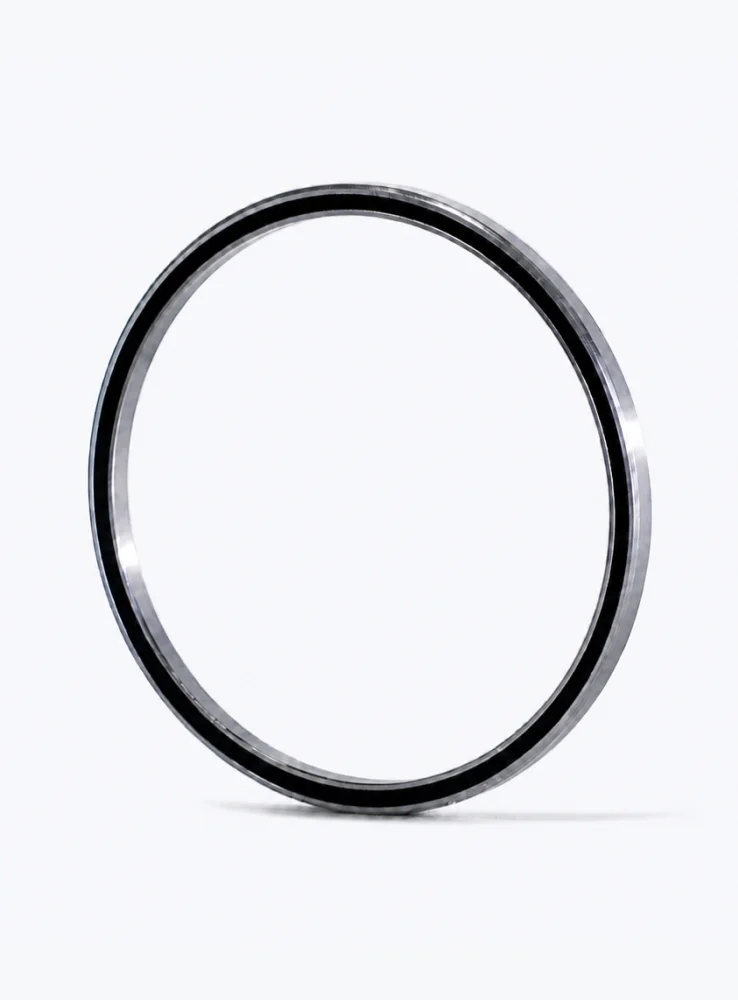
Every crossed roller bearing order begins with a precise specification. The following parameters should be clearly defined in your RFQ and validated by the supplier's engineering team.
...
For more details on how to purchase high-quality crossed roller bearings in bulk, please click here: https://www.bobibearing.com/a/bearing-knowledge/bulk-bearings.html