
Graphite crucibles are indispensable in high-temperature applications such as metal melting, alloy casting, and laboratory analysis. However, when exposed to extreme heat in the presence of oxygen, graphite begins to oxidize — a process that gradually erodes the crucible wall, reduces its structural integrity, and shortens its service life. For industries that rely on consistent thermal performance and cost-efficiency, preventing oxidation is not just a maintenance issue; it is a strategic priority. This article presents a comprehensive, technically grounded approach to mitigating graphite crucible oxidation at high temperatures, covering material selection, protective coatings, operational best practices, and the tailored solutions offered by Cangzhou Carbon.
Graphite oxidizes when carbon atoms react with oxygen at elevated temperatures, typically above 500°C (932°F). The reaction produces carbon monoxide or carbon dioxide gas, which escapes from the surface, leaving behind a porous and weakened structure. The rate of oxidation accelerates exponentially with temperature. In practical terms, a crucible subjected to repeated cycles above 1200°C without protection can lose 3–5% of its mass per hour, drastically reducing its lifespan and increasing the risk of catastrophic failure during a melt.
Recognizing these factors is the first step toward selecting effective prevention strategies.
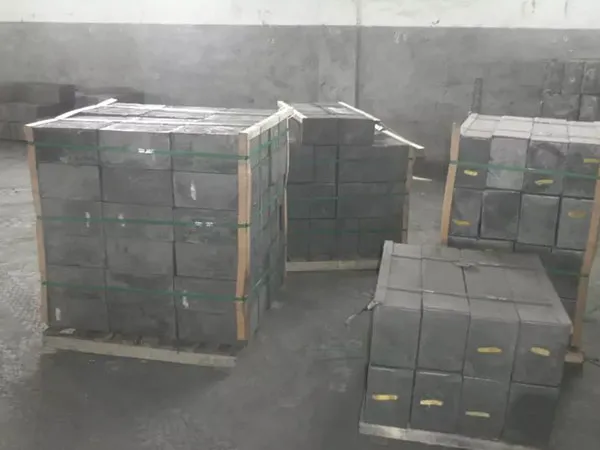
Not all graphite crucibles are created equal. The base material's density, purity, and grain structure directly influence oxidation resistance. Higher-density graphite has fewer internal pores, which reduces the surface area available for oxygen attack. Fine-grained, isostatically pressed graphite typically exhibits superior oxidation resistance compared to coarse-grained, vibration-molded alternatives.
When purchasing crucibles, always review the manufacturer's data sheet for oxidation start temperature and maximum safe operating temperature in air. Cangzhou Carbon offers a range of high-density, ultra-pure graphite materials specifically engineered for demanding thermal environments.
Coatings are the most widely adopted method for preventing graphite crucible oxidation. They function as a physical barrier that separates the graphite from oxygen, while also reflecting some radiant heat. The ideal coating must withstand the same temperatures as the crucible, adhere well under thermal cycling, and not contaminate the melt.
...
Click here for more detailed information on how to prevent graphite crucibles from oxidizing at high temperatures: https://www.czgraphite.com/a/news/prevent-graphite-oxidation.html