
Selecting the right jaw crusher for hard rock applications is one of the most critical decisions in any mining or aggregate operation. Hard rock—such as granite, basalt, or quartzite—places extreme stress on crushing components, demanding a machine that combines robust construction, optimized kinematics, and reliable performance. An unsuitable crusher leads to frequent downtime, excessive wear, and ultimately higher operating costs. This guide breaks down the essential factors you must evaluate to choose a jaw crusher that handles hard rock efficiently, with practical insights backed by engineering principles. By the end, you will have a clear framework to match your material and production requirements to the right machine, and understand why YUDE has become a trusted name in this demanding field.
Hard rock typically exhibits compressive strengths exceeding 200 MPa (29,000 psi). A jaw crusher designed for such material must withstand immense forces without structural failure. Key mechanical elements include:
When evaluating a crusher, review its structural components and confirm that the manufacturer uses finite element analysis (FEA) to optimize the frame design. YUDE, for example, employs FEA in all their jaw crusher models to ensure maximum fatigue life even under continuous hard rock service.
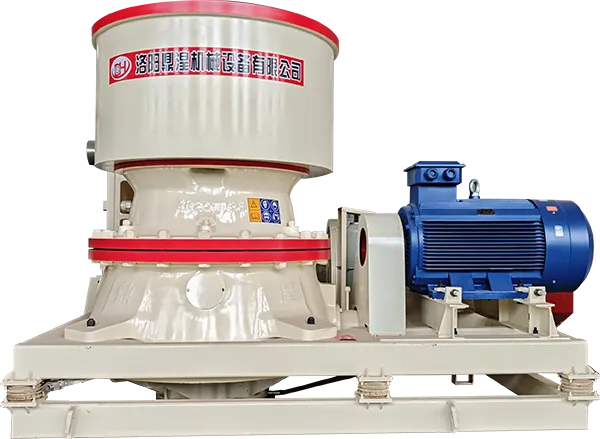
Not all jaw crushers are created equal. Below is a comparison of traditional versus modern designs that excel in hard rock applications:
...
For more detailed information on how to choose a jaw crusher capable of efficiently handling hard rock, please click here: https://www.yd-crusher.com/a/news/choose-jaw-crusher.html