
In today’s industrial and commercial heating systems, energy efficiency is no longer just an operational preference—it is a financial and environmental necessity. One of the most effective ways to optimize energy consumption is through the use of modulated oil burners. Unlike conventional on/off oil burners, modulated burners adjust their firing rate to meet the precise heat demand, reducing fuel consumption and minimizing waste. Understanding how to calculate fuel savings with modulated oil burners is crucial for facility managers, engineers, and business owners who aim to optimize operational costs and sustainability efforts.
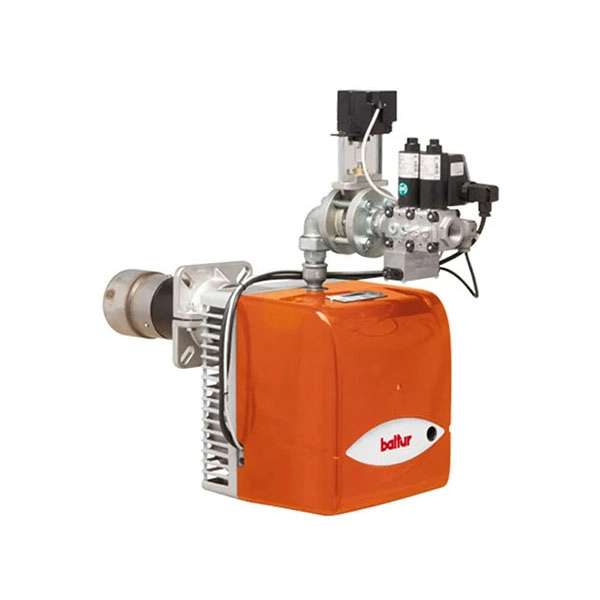
Modulated oil burners operate by continuously adjusting their output in response to the system’s heating requirements. Traditional single-stage burners operate at full capacity whenever they are on, which often leads to energy waste due to overheating and frequent cycling. In contrast, modulated burners vary their firing rate, maintaining a more stable temperature and ensuring that fuel is only consumed as needed. This precise control results in significant fuel savings, improved comfort levels in heating systems, and reduced wear and tear on equipment.
Calculating fuel savings with modulated oil burners involves more than just comparing two meters. Several critical factors influence the potential savings:
System Load Profile: The heating demand of a facility fluctuates throughout the day. Facilities with variable loads benefit more from modulation than those with steady, continuous heat requirements.
Burner Efficiency: Modulated burners typically operate more efficiently at partial loads than traditional on/off burners. Efficiency improvements can range from 5% to 20%, depending on system design and operating conditions.
Fuel Type and Cost: The type of fuel used—such as diesel, kerosene, or heavy fuel oil—affects both the calculation of savings and the economic return on investment. Higher fuel costs make savings more impactful in monetary terms.
Operating Hours: The duration for which the heating system operates directly impacts total fuel consumption. Systems running longer hours see greater cumulative savings from modulation.
...
For more detailed information on the how to calculate fuel savings with modulated oil burners, please click to visit:https://www.sxburner.com/a/news/how-to-calculate-fuel-savings-with-modulated-oil-burners.html