
Controlling the density of balls in a ball press machine is critical for producing consistent, high-quality pellets. Whether you manufacture fertilizer, feed, or other granular products, small adjustments can significantly impact production efficiency, reduce material loss, and improve product durability. This guide provides step-by-step, real-world techniques to help you optimize ball density.
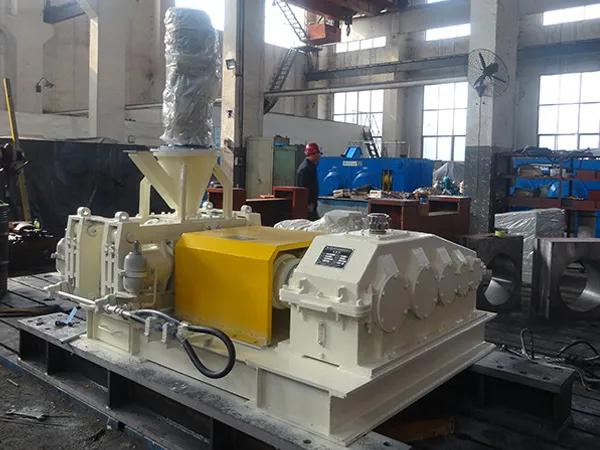
Ball density determines how compact the material is inside each pellet. High-density balls:
Resist breakage during transport
Ensure uniform distribution of nutrients or active ingredients
Reduce material waste
Low-density balls, on the other hand, can crumble easily, lowering efficiency and increasing costs. Achieving uniform density requires careful control of material properties, machine settings, and production processes.
Why it matters:
Moisture acts as a binding agent. Too little water = loose, brittle balls. Too much water = sticky, deformed balls.
Practical tips:
Conduct small batch tests to find the ideal moisture range.
Use a moisture meter for consistent measurement.
Adjust water gradually—avoid adding all at once.
Monitor environmental factors like humidity, which can affect moisture absorption.
Real-world example:
In feed pellet production, increasing moisture from 12% to 14% improved ball hardness by 15% without causing stickiness.
Why it matters:
Roller pressure compresses raw material into dense balls. Too low = loose balls, too high = machine wear.
...
For more detailed information on how to adjust the ball density in a briquetting machine to achieve maximum efficiency, please click here: https://www.zymining.com/en/a/news/how-to-adjust-ball-density-in-a-ball-press-machine.html