
Startups rarely get the chance to furnish an office twice. Every unit of budget spent on a desk is money that is not going into hiring, product development, or go-to-market. That is why steel office furniture has become a default choice for founders who need workspaces that look credible, survive daily use, and still leave room for growth. This guide explains how to judge cost-effectiveness properly, which specifications genuinely matter, and how to plan a purchase that stays affordable as headcount changes.
Purchase price is the least useful number in office furniture budgeting. The metric that decides whether a fit-out was smart is cost per year of service. A desk that costs twice as much but lasts four times as long is the cheaper desk, and steel is the material that most reliably produces that outcome in high-traffic startup offices.
Low-cost particle board and thin laminate furniture usually fails in predictable ways: swollen edges after a spilled coffee, chips around the keyboard tray, sagging shelves, and drawers that stop aligning after a year of use. Each failure triggers a replacement, a delivery, and downtime for the person using that workstation. In a 30-person office, replacing even a fifth of the desks annually quickly erases the savings made at purchase.
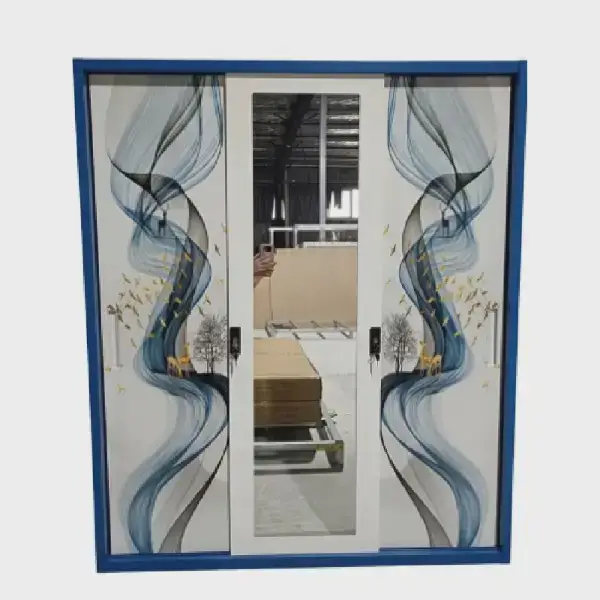
Not all steel furniture is equal, and the differences are usually invisible in a product photo. Before comparing quotes, confirm the following points with the supplier:
A supplier who can answer these questions precisely is usually a supplier who can also support you three years later, when one office chair of drawers needs a new lock rather than a full replacement.
...
For more details on affordable steel office furniture suitable for startups, please click here: https://www.lakshyofurniture.com/news-center/steel-office-setup/