
In modern steel and metal processing environments, production efficiency is no longer defined solely by output volume. Instead, it is increasingly measured by how effectively companies manage operating costs, extend equipment lifespan, and align with sustainability expectations. Within this context, rolling mill work rolls—often overlooked outside technical teams—play a decisive role in determining both product quality and production stability.
Work rolls operate under continuous high-load conditions, directly contacting metal surfaces while enduring extreme pressure, thermal cycling, and abrasive wear. Traditionally, once rolls reached a predefined wear limit, they were scrapped and replaced with new units. While straightforward, this approach creates a hidden cost structure that extends far beyond procurement—impacting downtime, inventory management, and overall production planning.
Today, forward-thinking manufacturers are shifting toward recycling and reconditioning strategies, transforming what was once considered consumable tooling into a manageable, high-value asset.
To fully understand the value of reconditioning, it is essential to look beyond surface wear and examine the entire lifecycle of a work roll.
During rolling operations, rolls are exposed to:
Continuous friction against metal strips or slabs
Rapid temperature fluctuations between passes
Cyclic mechanical stress leading to fatigue
Surface oxidation and micro-cracking
These factors gradually degrade the roll surface, leading to dimensional inaccuracies, reduced surface finish quality, and potential product defects. However, in most cases, the core material of the roll remains structurally sound even after surface deterioration occurs.
This distinction is critical.
Instead of discarding the entire roll, reconditioning focuses on restoring functional performance while preserving the high-value base material. By treating wear as a manageable and predictable process rather than an endpoint, manufacturers can transition from reactive replacement to proactive lifecycle control.
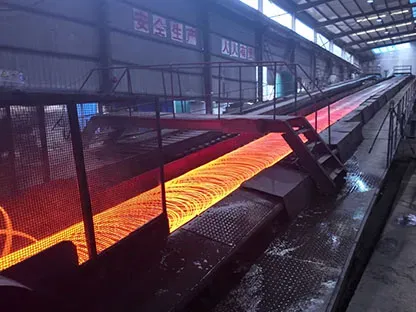
From a financial perspective, relying solely on new roll procurement introduces multiple layers of cost:
High Procurement Expenses
Premium-grade work rolls, especially those made from alloyed or forged steel, represent a significant capital investment.
Unplanned Downtime Risks
Sudden roll failures or performance drops can disrupt production schedules, resulting in lost output and delayed deliveries.
...
For more detailed information on the cost analysis of rolling mill work roll recycling and refurbishment, please click to visit: https://www.gyssljx.com/a/news/cost-analysis-of-rolling-mill-work-roll-recycling-and-reconditioning.html