
Every commercial cold storage facility eventually faces the same critical question: should you invest in repairing an aging cooler, or is it time to budget for a full replacement? The decision impacts not only operational costs but also energy efficiency, food safety compliance, and long-term asset management. Understanding the lifecycle of your cooling equipment and recognizing the telltale signs of wear can save your business thousands of dollars and prevent unexpected downtime. This guide provides a structured framework for evaluating repair versus replacement scenarios, drawing on real-world performance data and industry best practices.
Industrial coolers typically have a designed lifespan of 10 to 15 years, depending on duty cycles, ambient conditions, and maintenance history. As equipment approaches this age range, performance degradation becomes inevitable. The first step in making an informed decision is to objectively identify where your cooler stands in its lifecycle.
Regular maintenance—including coil cleaning, refrigerant pressure checks, and belt replacements—can push the functional lifespan beyond the average. However, after the 12-year mark, even well-maintained coolers often suffer from a cumulative decline in energy efficiency. A study from the Food Service Technology Center indicates that systems older than 12 years can consume 20-30% more electricity than modern Energy Star-rated units.
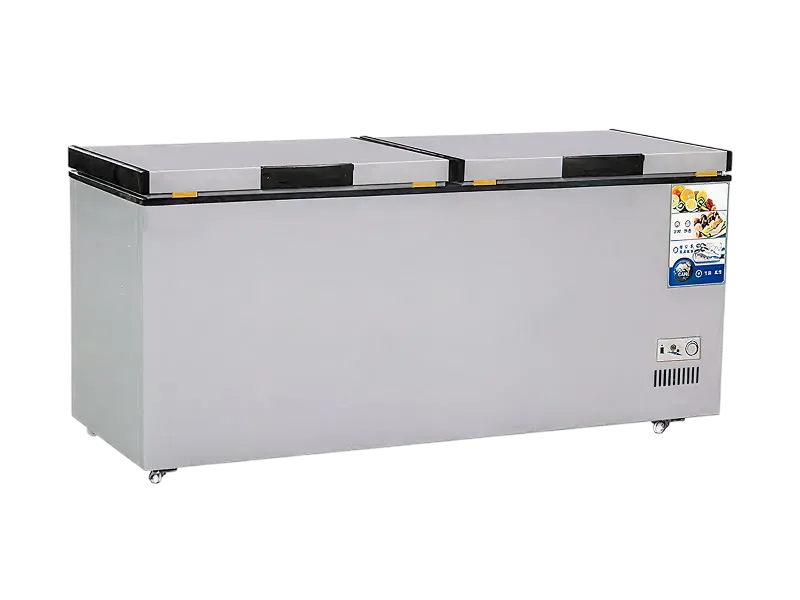
Evaluating the financial case requires looking beyond the immediate repair invoice. A comprehensive approach should factor in energy savings, maintenance frequency, and risk of catastrophic failure. Below is a structured comparison of the key decision factors.
...
For more detailed information on the service life of cold storage facilities—including when to repair aging units versus when to replace them—please click here: https://www.tzykitchenware.com/a/news/cold-storage-repair-.html