
Cold storage facilities are among the most energy-intensive systems in any commercial kitchen or food warehouse. Yet many operators overlook subtle clues that their refrigeration units are bleeding electricity with every cycle. Recognizing these signs early can save thousands in utility bills and prevent premature equipment failure. In this guide, we’ll walk you through seven clear indicators that your cold storage is wasting energy—and provide actionable fixes for each. TZY Kitchenware, a trusted name in refrigeration solutions, recommends these checks as part of routine maintenance to optimize performance and cut costs.
One of the first signs of energy waste is a compressor that turns on and off far more often than it should. Short cycling means the system never reaches a stable, efficient operating state. Each start-up draws a spike of power, and frequent starts add up quickly.
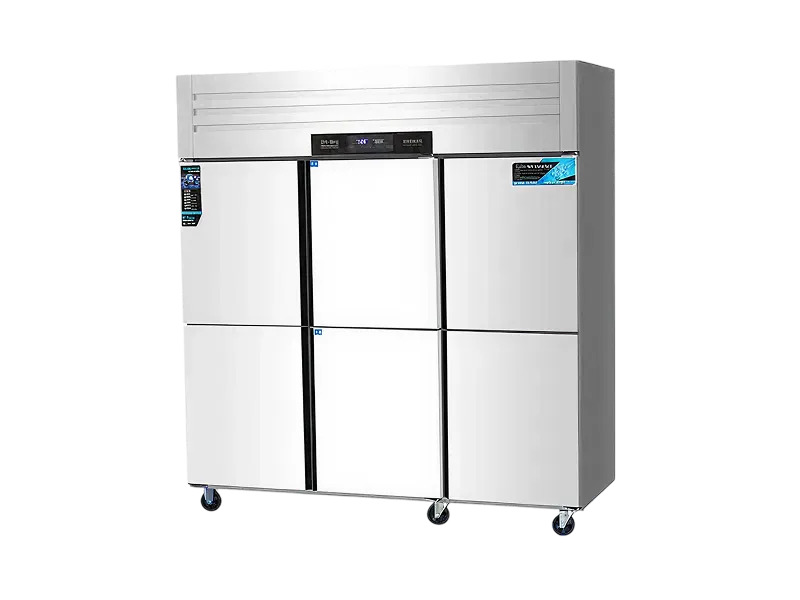
Evaporator and condenser fans should cycle with the compressor or be controlled by a dedicated thermostat. If fans run 24/7, they are wasting electricity and pushing heat into the space unnecessarily.
Visible frost on evaporator coils, ice on floors, or water pooling near doors indicates poor door seals, high humidity infiltration, or inadequate defrost scheduling. Every drop of condensation that forms has been pulled from the air by the refrigeration system, costing energy twice—first to cool the moisture out of the air, then to defrost it.
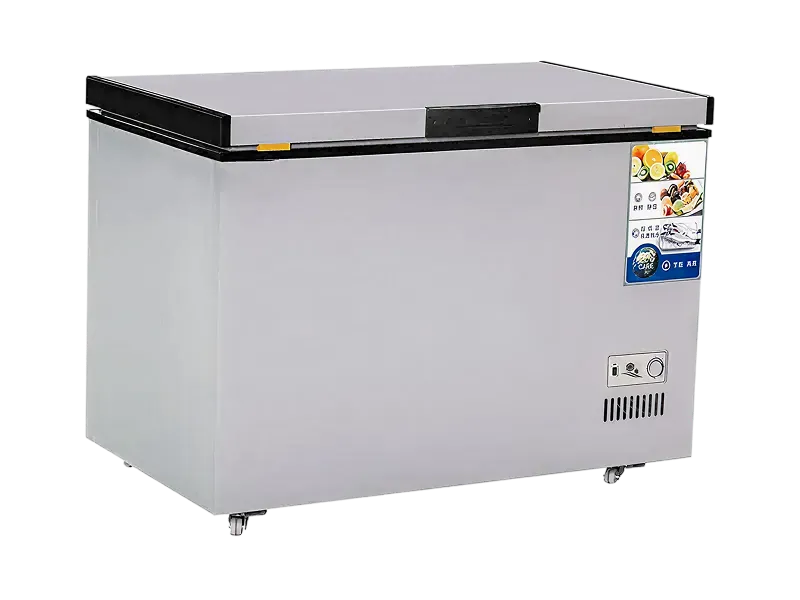
The small liquid line that runs between the condenser and expansion valve should feel warm, not hot. If it is excessively hot, the system may have a restricted filter drier or a non‑condensable gas (air or moisture) in the refrigerant loop. Both conditions force the compressor to run at higher pressure, escalating energy use.
...
For more detailed information on 7 signs of energy waste in cold storage and solutions, please click to visit: https://www.tzykitchenware.com/a/news/cold-storage-7-signs.html