
Rotary kiln systems are widely used in cement production, metallurgy, lime calcination, and various high-temperature industrial processes. Among the critical components that determine operational safety and thermal efficiency, the burner plays a central role. However, one of the most hazardous operational issues that plant engineers may encounter is burner backfire. This phenomenon not only disrupts production stability but also poses significant safety risks to equipment and personnel.
Understanding the causes of backfire in rotary kiln burners and implementing effective prevention measures is essential for maintaining continuous operation, reducing downtime, and extending equipment lifespan. This article provides a practical and engineering-focused analysis based on field experience and industrial best practices.
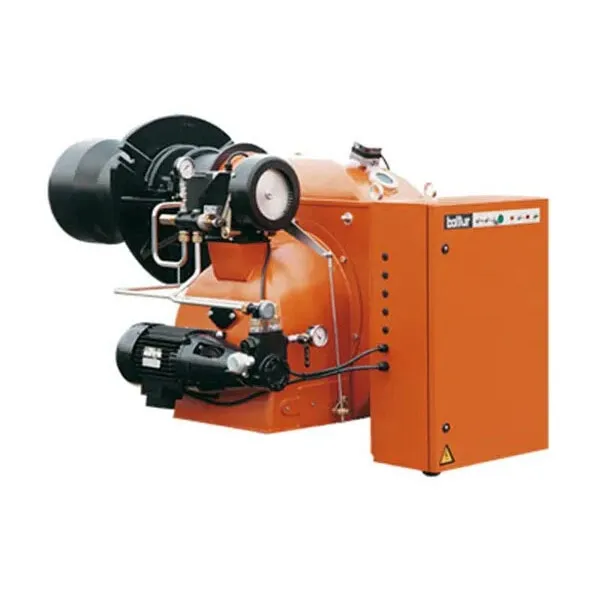
Backfire in a rotary kiln burner refers to an abnormal condition where the flame reverses direction and propagates backward into the burner pipe or fuel delivery system. Under normal operation, the flame should remain stable at the kiln front, maintaining controlled combustion within the combustion zone. When backfire occurs, the flame front moves upstream, which can lead to overheating of burner components, damage to fuel nozzles, or even explosion risks in severe cases.
This phenomenon is not caused by a single factor but is usually the result of a combination of airflow imbalance, fuel irregularities, ignition instability, or operational mismanagement.
2.1 Improper Air-to-Fuel Ratio
One of the most common causes of burner backfire is an incorrect air-to-fuel ratio. When the mixture becomes too rich in fuel and lacks sufficient oxygen, combustion becomes unstable. This condition allows the flame to propagate backward into regions where unburned fuel accumulates.
...
For more detailed information on the causes and prevention strategies of rotary kiln burner backfire, please click to visit: https://www.sxburner.com/a/news/causes-of-backfire-in-rotary-kiln-burners-and-prevention.html