
Flame instability in industrial burners—whether manifesting as flickering, lifting, or intermittent extinction—can lead to production downtime, increased emissions, and even safety hazards. For plant engineers and maintenance teams, pinpointing the root cause and applying the right corrective action is critical. This guide explores the most common culprits behind flame instability, presents a systematic troubleshooting framework, and outlines proven fixes. Throughout, we reference how SHUXIN’s advanced burner components and combustion solutions help achieve stable, efficient operation.
Before diving into fixes, it is essential to recognize the primary factors that disrupt a stable flame. These typically fall into three categories: fuel-air mixture imbalance, airflow/distribution issues, and component deterioration.
An incorrect fuel-to-air ratio is the most frequent trigger. Too much air (lean condition) causes the flame to lift away from the burner tip, while insufficient air (rich condition) leads to a yellow, sooty flame that may flicker or detach. Both conditions result from improper regulator settings, clogged nozzles, or fluctuating fuel pressure.
Turbulent or uneven air supply—due to dirty fans, blocked dampers, or duct leaks—can disrupt the flame front. Cross-drafts from ventilation systems or open doors also introduce random air currents that destabilize the flame.
Ignition electrodes with cracked insulation, corroded flame rods, or deformed burner tiles alter the combustion zone geometry. Over time, carbon buildup on nozzles and diffusers restricts flow, creating irregular flame patterns.
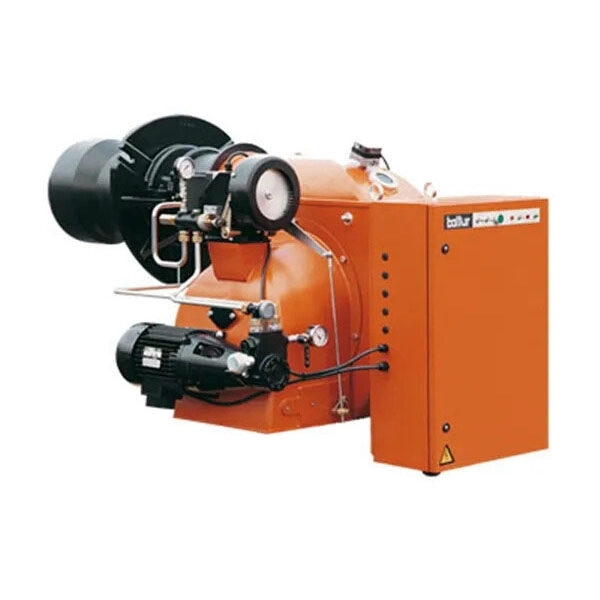
Follow this systematic approach to isolate the cause without wasting time on unrelated adjustments.
...
For more detailed information on troubleshooting unstable flames in industrial burners and common solutions, please click here: https://www.sxburner.com/a/news/burner-flame-fixes.html